
(JFP) She didn’t win the U.S. Senate seat, but Jacksonville’s own Angie Nixon accomplished something nearly as remarkable: She transformed what many considered an unwinnable race into a competitive contest, challenged Florida’s Republican political establishment and demonstrated that grassroots organizing can still compete with political money and machinery.
Nixon’s journey from the Florida Legislature to the statewide political stage was anything but conventional. A former union organizer and outspoken advocate for working families, she first stunned political observers by defeating Alex Vindman in the Democratic primary despite being outspent by approximately 16 to 1.
Vindman entered the race with national recognition and a formidable fundraising advantage, raising more than $16 million compared with Nixon’s less than $1 million. Yet Nixon captured 56% of the primary vote, proving that money can buy advertising, but it cannot always buy allegiance.
Her general election campaign against Republican Sen. Ashley Moody presented another formidable challenge. Florida has not elected a Democratic U.S. senator since 2012, and Republicans entered the election with a substantial voter registration advantage.
Still, Nixon made the race more competitive than many expected, forcing political observers to reconsider what was initially viewed as a safe Republican seat.
For Northeast Florida, Nixon’s campaign represented more than a political contest. It elevated a Jacksonville lawmaker whose platform centered on issues affecting everyday Floridians: affordable housing, accessible healthcare, universal child care, public education and economic opportunity.
Her progressive positions drew sharp criticism from Republicans, particularly over her association with the Democratic Socialists of America. But Nixon refused to abandon the priorities that defined her political identity.
That resonated with supporters who believed Florida’s political conversation had become too focused on partisan loyalty and too disconnected from the economic struggles of working families.
The historical significance was unmistakable. On the same night Florida elected its first Black governor, voters narrowly rejected a Black Democratic woman whose political philosophy stood in stark contrast to his.
Their campaigns illustrated an important reality: Black political leadership is not monolithic, and representation alone does not determine whose interests will be advanced.
Nixon’s campaign offers a lesson to Florida Democrats, who have struggled for years to rebuild a competitive statewide organization. Too often, political strategists equate electability with fundraising totals, national endorsements and carefully packaged candidates. Nixon challenged that formula by building a campaign around organizing, authenticity and issues that directly affect voters. She demonstrated that an engaged electorate can disrupt even the most carefully financed political operation.
Although she fell short against Moody, her campaign exposed opportunities for Democrats willing to invest in communities, cultivate local leadership and engage voters beyond election season.
Florida Democrats should recognize that lesson rather than dismiss another statewide defeat.
Nixon has already indicated she intends to challenge for the Senate seat again in 2028.
Her election-night message reflected disappointment without surrender.
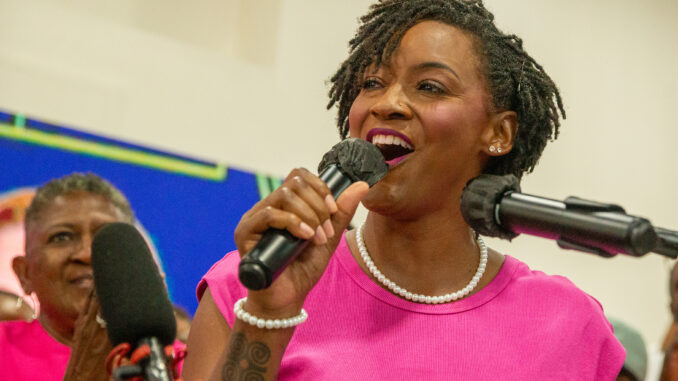
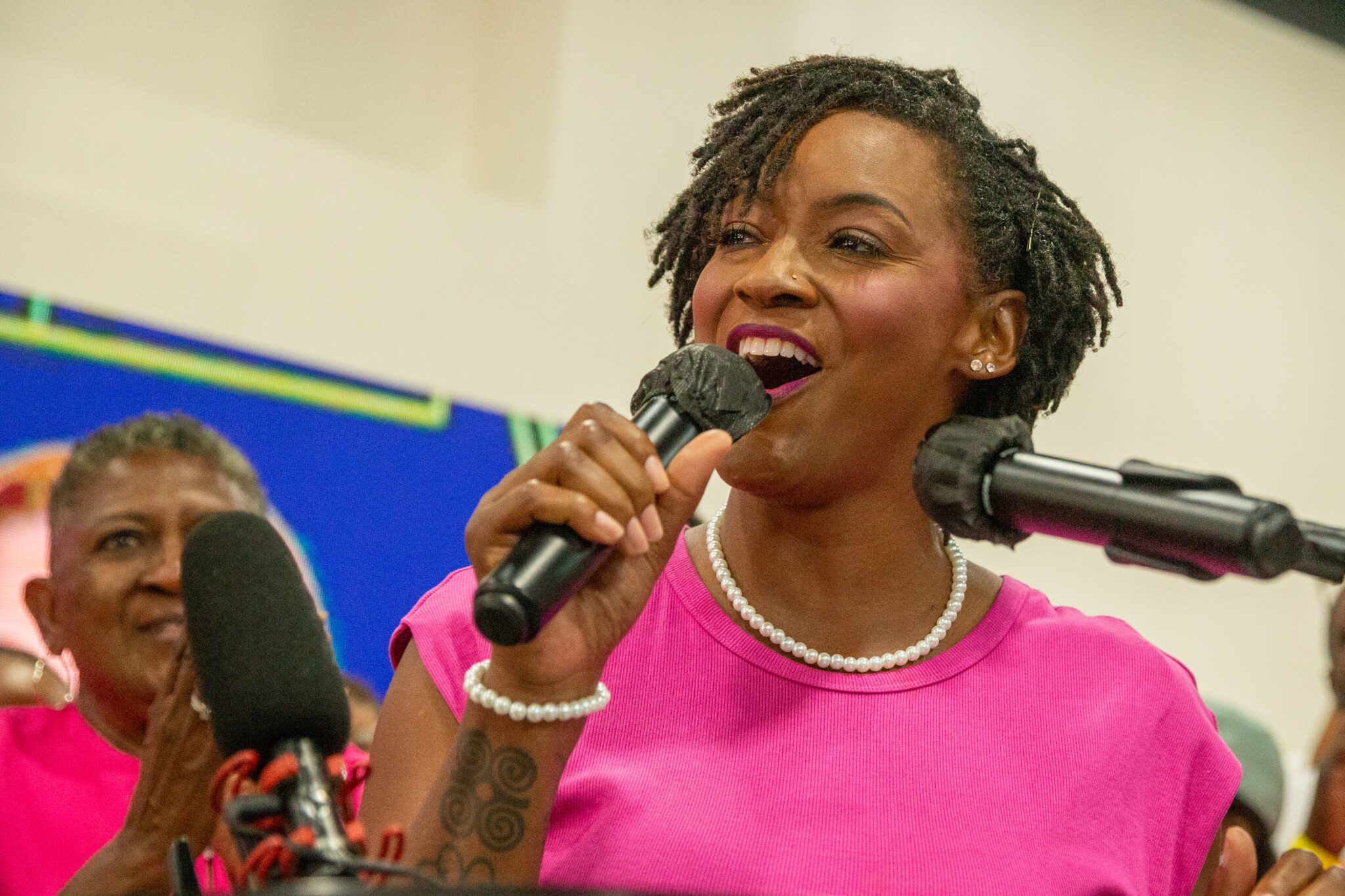
“What we built together is REAL,” Nixon told supporters, pledging she would continue.
For Jacksonville, her campaign should be a source of civic pride regardless of affiliation. A hometown legislator stepped onto one of the nation’s most competitive political stages and refused to be intimidated by money, political labels or conventional expectations.
Angie Nixon did not make history by winning a Senate seat. She made her mark by demonstrating that political power can be challenged, even when the odds appear overwhelming.
Perhaps the most important lesson of her campaign is one Florida’s political establishment would be wise to remember:
Never underestimate an organized community, an underestimated candidate or the power of people who believe their voices deserve to be heard.