Long before “woke” became a political punchline, campaign slogan or catchall criticism, it carried a much simpler message in Black America: Pay attention. Stay alert. Know what is happening around you.
The term has roots in African American English dating at least to the 1920s. Merriam-Webster cites a 1924 edition of the Black-owned Houston Informer that described “stay woke” as street slang meaning a person should remain alert and attentive.
Its connection to racial injustice became particularly clear in 1938, when blues and folk musician Huddie “Lead Belly” Ledbetter discussed the Scottsboro Boys — nine Black teenagers falsely accused of raping two white women in Alabama. His warning to Black travelers was essentially to remain careful, alert and “stay woke.”
In 1940, the phrase surfaced again when Black mine workers protesting discriminatory wages declared they had been asleep but would “stay woke” going forward.
Then came writer William Melvin Kelley.
His 1962 New York Times essay, “If You’re Woke You Dig It,” examined how expressions originating in Black communities were being adopted and transformed by white Americans. Ironically, “woke” itself would eventually undergo exactly that transformation.
FROM BLACK VERNACULAR TO MAINSTREAM AMERICA
For decades, being “woke” within Black culture did not necessarily mean belonging to a particular political party. It meant being conscious — particularly of racism, discrimination and systems that could operate differently for Black Americans.
Singer Erykah Badu helped introduce “stay woke” to another generation with her 2008 song “Master Teacher.” But the expression exploded into mainstream American consciousness after the 2014 police killing of Michael Brown in Ferguson, Missouri. “Stay woke” circulated widely on Black Twitter and among Black Lives Matter activists as demonstrations over policing and racial inequality spread nationally.
Merriam-Webster today defines “woke” in its original contemporary sense as being aware of and actively attentive to important societal facts and issues, particularly racial and social justice.
But the dictionary now carries a second definition, too — one reflecting how dramatically American politics has changed the word. In its disapproving usage, “woke” describes something considered excessively liberal or progressive, particularly regarding racial and social issues.
Across the country, “woke” has evolved from a Black cultural expression for awareness of racial and social injustice into a political identifier, frequently used by conservatives as shorthand for progressive positions. The transformation has been especially pronounced in Florida, where Gov. Ron DeSantis made opposition to “woke ideology” a centerpiece of his political brand, famously declaring Florida the place where “woke goes to die” and championing the 2022 Stop WOKE Act targeting certain teachings and workplace discussions involving race and discrimination. Portions of the law have since been struck down by federal courts on First Amendment grounds. Today, labels such as “woke” and “anti-woke” increasingly function as cultural and political signals, often identifying where a person stands in America’s broader debates over race, history, diversity and social change — sometimes before any specific policy position is discussed.
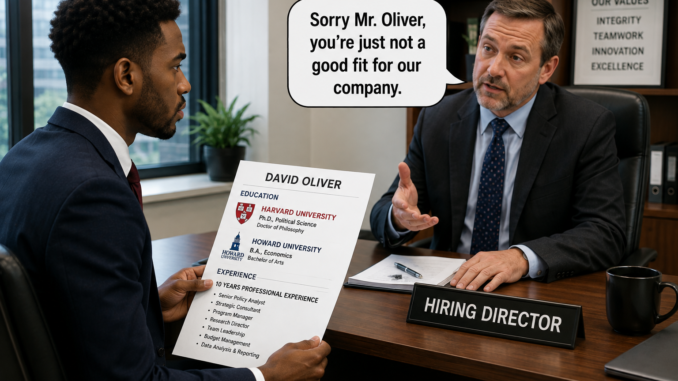
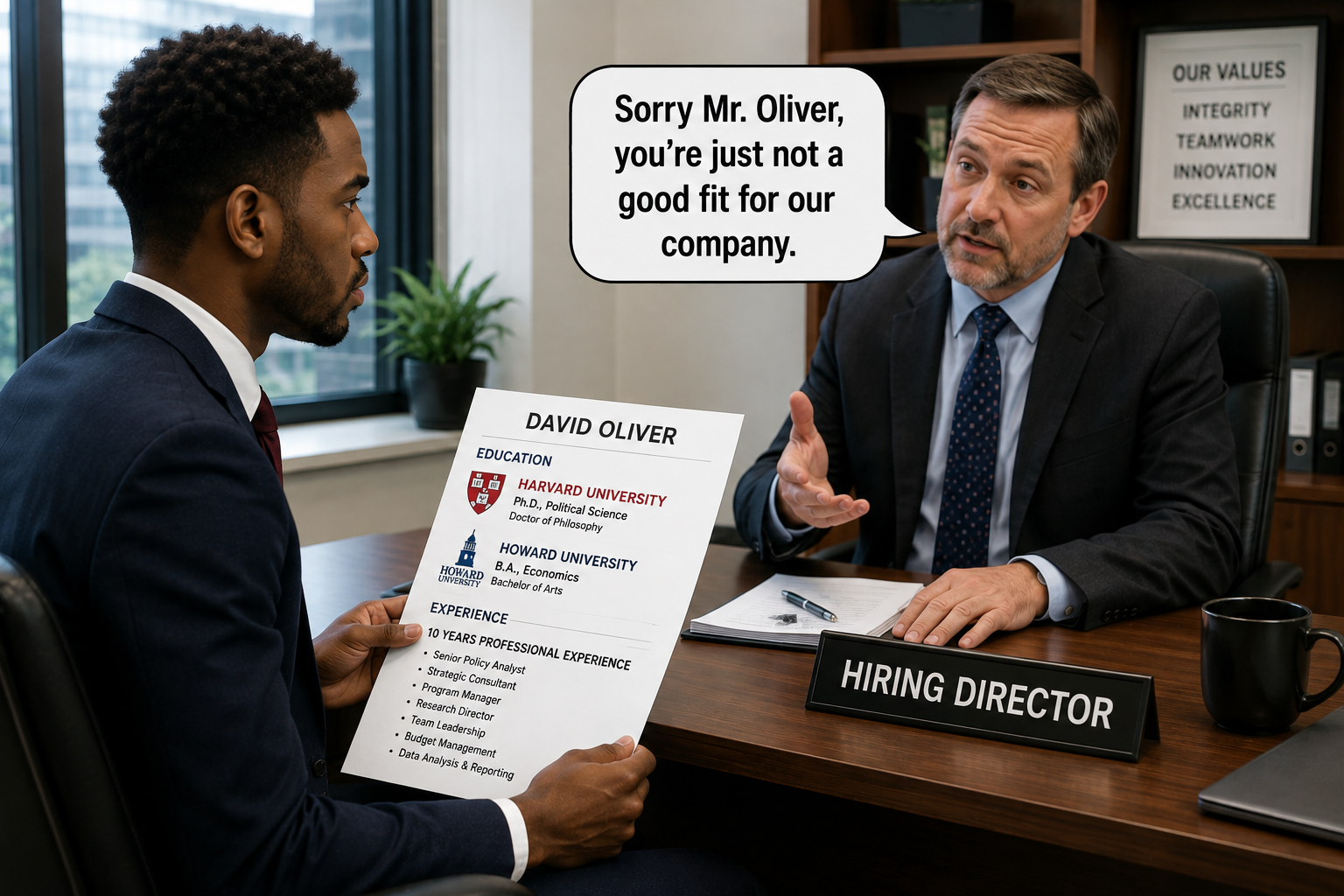
Companies embraced Diversity, Equity and Inclusion (DEI) programs in an effort to bring parity to reflect America. Then with one election, that work became undone. “The good old boy network” became back in place, and despite the credentials placed before the powers that be, it no longer mattered. Diversity became a victim of the WOKE agenda. Just like the political representatives we elect, leadership with consumers of varying backgrounds should be able to be included, not excluded in decision making policies and allowed a seat at the table.
Somewhere along the way, a word about awareness became a word of accusation.
WHEN ‘WOKE’ BECAME AN INSULT
As “woke” spread beyond Black communities, its meaning expanded. It came to encompass conversations about sexism, LGBTQ rights, economic inequality, diversity, corporate responsibility and other progressive causes.
It also became associated with what critics considered excessive political correctness, performative activism and rigid ideological thinking.
Conservative politicians eventually seized on the word as shorthand for a much broader collection of policies and cultural changes they opposed. President Donald Trump and other Republican leaders have used “woke” negatively in debates involving schools, corporations, the military, diversity programs and government policy.
The transformation became so significant that the NAACP adopted a 2023 resolution seeking to reclaim “woke” and its historical connection to Black culture, liberation movements and social justice.
Today, people are sometimes labeled “woke” for supporting diversity programs, teaching uncomfortable portions of American history, acknowledging racial disparities or advocating for groups that have experienced discrimination.
But that raises another question: What does proudly declaring oneself “not woke” actually mean?
WHAT DOES ‘NOT WOKE’ SAY?
That depends entirely on what a person means by “woke.”
If “woke” means that every progressive policy is automatically correct, that dissent should be silenced or that people should be judged solely according to race, gender or identity, rejecting that version of “wokeness” does not necessarily demonstrate intolerance. Reasonable people can disagree over policies, terminology and approaches to achieving equality.
Criticism of excesses associated with modern progressive politics also exists on the political left. The debate remains active in 2026, with some prominent Democrats reassessing rhetoric and positions associated with the height of the “woke” political era.
But that is substantially different from rejecting the word’s original premise.
If being woke means recognizing that racism has existed and continues to exist, understanding that discrimination can affect people’s opportunities, remaining attentive to injustice and showing concern when fellow Americans are treated unfairly, then proudly being “anti-woke” takes on a very different meaning.
In that context, the declaration may reveal more about the person rejecting awareness than about the person embracing it.
One does not have to be Black to recognize racism. One does not have to be a woman to recognize sexism. One does not have to be gay to oppose discrimination against gay people. And acknowledging that another American’s experience may differ from one’s own does not require accepting every political solution proposed in response.
It requires awareness.
A WORD HAS NOW BECOME AN IDENTIFIER
That may be the most striking transformation of “woke.”
What began as an instruction has become an identity marker.
Calling someone “woke” today can reveal almost as much about the speaker as the person being described. Depending on who says it, the word can communicate admiration, ridicule, political affiliation, cultural resentment or a broader worldview.
The same is increasingly true of “anti-woke.”
For some Americans, it means opposition to progressive political excesses. For others, it has become a declaration against diversity, equity and inclusion initiatives and other efforts they believe unfairly emphasize race or identity. Still others use the term so broadly that virtually anything involving racial representation, Black history, LGBTQ issues or social inequality can be dismissed simply by calling it “woke.”
That broad usage bears little resemblance to the word Black Americans were using generations ago.
In 1938, Lead Belly was not outlining a Democratic platform.
He was warning Black people to keep their eyes open.
Nearly 90 years later, perhaps that history provides the clearest way to understand the word.
Being “woke” does not have to mean agreeing with every progressive idea, politician or policy. In its historical sense, it means refusing to sleep through what is happening to people around you.
And if awareness, empathy and a willingness to recognize injustice are what we mean by “woke,” then perhaps the more revealing question in today’s political climate is not why someone would choose to be woke.