
by Sylvia Perry
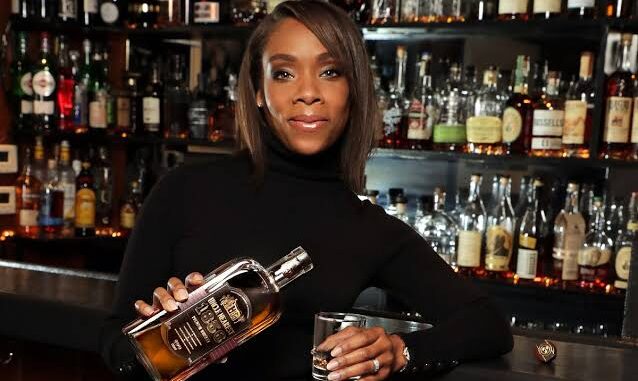
Fawn Weaver, the entrepreneur who transformed the forgotten story of an enslaved distiller into one of America’s fastest-growing whiskey brands, has been removed from all involvement with Uncle Nearest as the company moves toward a court-supervised sale.
According to court filings first reported by the Music City Observer, the court-appointed receiver overseeing Uncle Nearest Premium Whiskey terminated the employment and involvement of both Fawn and Keith Weaver effective June 1. The receiver, Phillip G. Young Jr., said the decision reduced confusion among employees and vendors and improved day-to-day operations.
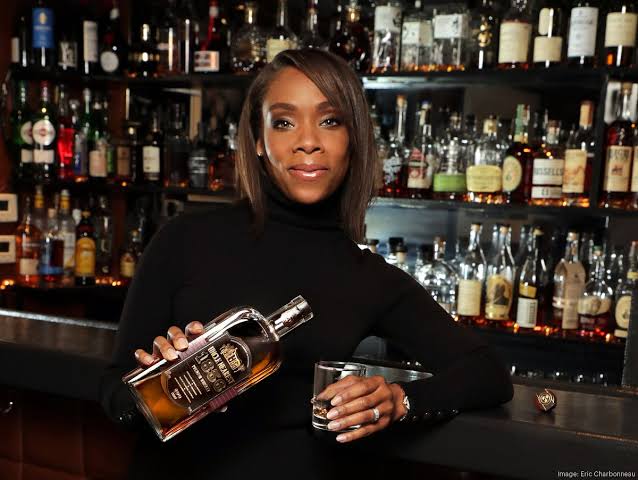 The move marks a dramatic chapter for a company that has become one of the most celebrated Black-owned spirits brands in U.S. history.
Weaver founded Uncle Nearest in 2016 after uncovering the largely overlooked story of Nathan “Nearest” Green, the formerly enslaved man now recognized as the first known Black master distiller in America. Green taught a young Jack Daniel the art of making Tennessee whiskey, yet his contributions remained absent from mainstream history for more than a century.
Determined to restore Green’s legacy, Weaver launched Uncle Nearest Premium Whiskey in 2017. The brand quickly became both a commercial success and a cultural milestone, expanding to all 50 states and more than a dozen countries. It earned hundreds of international spirits awards and became one of the fastest-growing independent American whiskey brands. Green’s great-great-granddaughter, Victoria Eady Butler, was named master blender, further connecting the brand to its historic roots and making her one of the industry’s most acclaimed whiskey makers.
Beyond selling whiskey, Weaver helped reshape the conversation about Black contributions to American history. Her work led to widespread recognition of Nearest Green’s role in Tennessee whiskey, inspired new historical research, and elevated Black representation in an industry where African Americans have long been underrepresented. Uncle Nearest also invested millions in scholarships, business development and preservation efforts through the Nearest Green Foundation.
Despite its cultural impact and rapid growth, the company’s finances deteriorated. Court records indicate lender Farm Credit Mid-America alleged Uncle Nearest had been in default since early 2024 and sued over more than $100 million in outstanding debt. A federal judge appointed a receiver in August 2025 to oversee the company’s operations.
Receiver Phillip Young’s latest report details months of legal disputes with the Weavers, including appeals and an unsuccessful effort by Fawn Weaver to place the company into Chapter 11 bankruptcy. Young also disclosed that a forensic investigation into the company’s finances is ongoing and could result in future legal claims, though none have been filed.
The company remains insolvent, and the receiver said he expects to seek court approval to sell Uncle Nearest’s core assets within the next 30 to 60 days.
For many in the Black community, the developments represent more than a corporate restructuring. Uncle Nearest became a symbol of reclaiming an erased chapter of American history, proving that the story of the nation’s most famous whiskey could not be fully told without recognizing the Black man who helped create it. Whether that legacy continues under new ownership remains one of the biggest questions facing the iconic brand.