

by Sylvia Perry
The racist and sexist attacks directed at Florida Democratic U.S. Senate nominee Angie Nixon over the weekend may have been shocking in their bluntness, but history shows they are hardly unprecedented.
From the White House and halls of Congress to the Supreme Court and the world’s biggest sporting stages, some of America’s most prominent Black women have endured public attacks aimed not at their policies, records or performances, but at their race, intelligence, hair, bodies and femininity.
Contrary to their naysayer’s intent, many not only survived the attacks, they emerged with their careers, influence and legacies intact. And in some cases, those responsible for the insults faced consequences of their own.
Nixon, a Jacksonville state representative who recently won Florida’s Democratic U.S. Senate primary, became the latest target when far-right activist Laura Loomer launched a series of social

media attacks against her and other Black women in positions of power.
Loomer described Nixon as a “ghetto, black, communist” and, in an earlier post, grouped Nixon with U.S. Rep. Ayanna Pressley, former Rep. Cori Bush, Supreme Court Justice Ketanji Brown Jackson and Rep. Ilhan Omar, describing the women with racist and sexist language and saying they were unfit for power. The remarks drew condemnation from civil rights advocates and politicians across the political spectrum, including former Republican Rep. Marjorie Taylor Greene.
Nixon pushed back publicly and insisted that Black women need more than silent or “passive allies” when confronted with racism. She now heads toward the November general election against Republican Sen. Ashley Moody. If elected, Nixon would become the first Black person to represent Florida in the U.S. Senate.
The negative caricature of Black women is as old as time. As far back as Saartjie Baartman and her story, Black women have been the brunt of bad humor. She is one of the
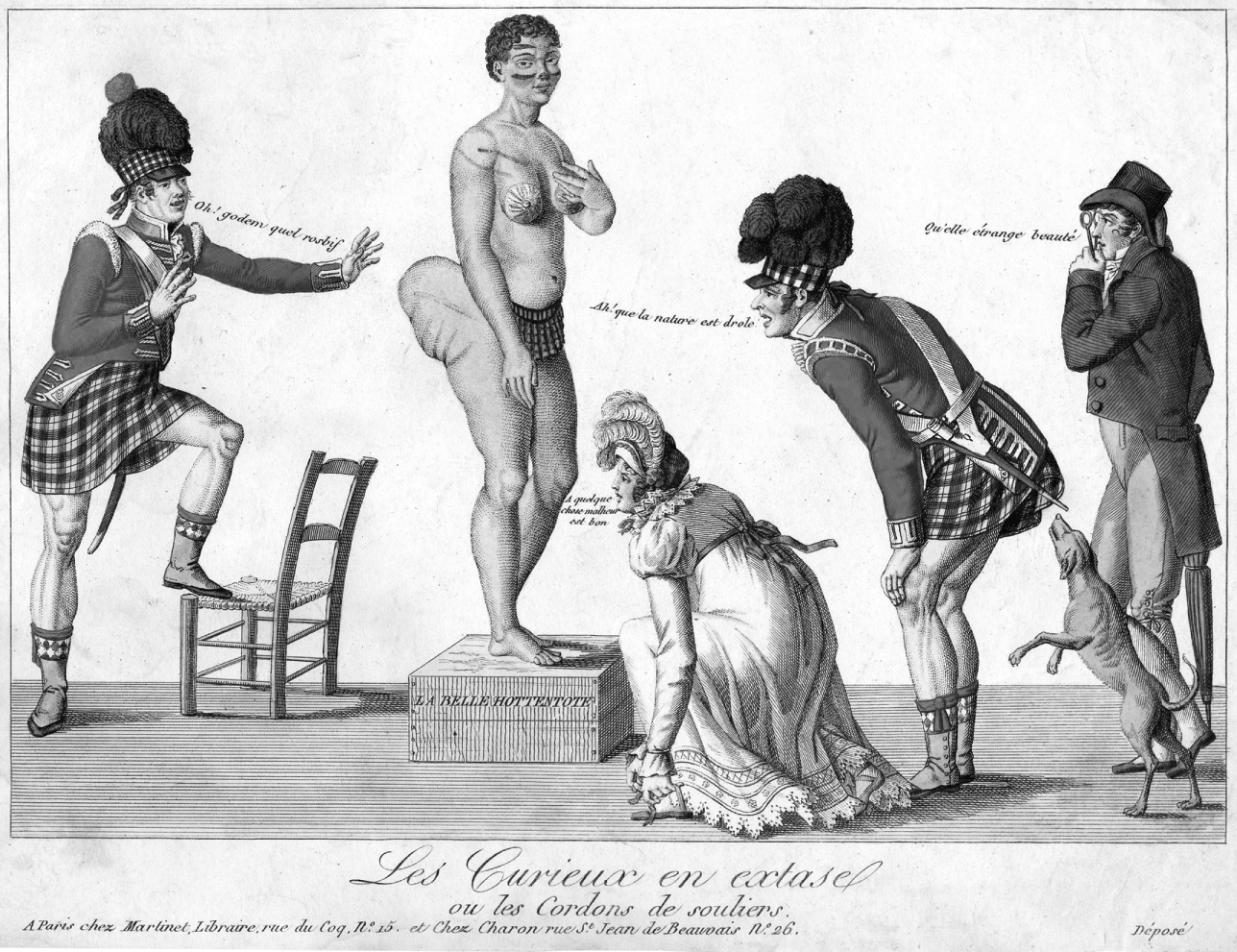
earliest and most infamous examples of a Black woman whose body was publicly scrutinized, sexualized and dehumanized by European society. Baartman was a Khoikhoi woman from southern Africa, born around 1789. In 1810, she was taken to England, where she was publicly exhibited because European audiences considered her body — particularly her buttocks — unusually large.
Audiences paid to stare at her body while she was presented as an exotic spectacle rather than treated with the dignity afforded to a human being. Abolitionists challenged her treatment in court, but their attempt to free her from her exhibitors failed. Baartman died in Paris in 1815, still only in her 20s but even death did not end the exploitation.
Her body was dissected. Parts of her remains were preserved, and a representation of her body was eventually displayed in France. Her treatment has since become an important case study in
scientific racism, colonialism and the ethics surrounding museums’ possession and exhibition of human remains.
Fast forward to the millennium and America sees a new portrait of grace and beauty as a Black woman sat as first lady in the White House.
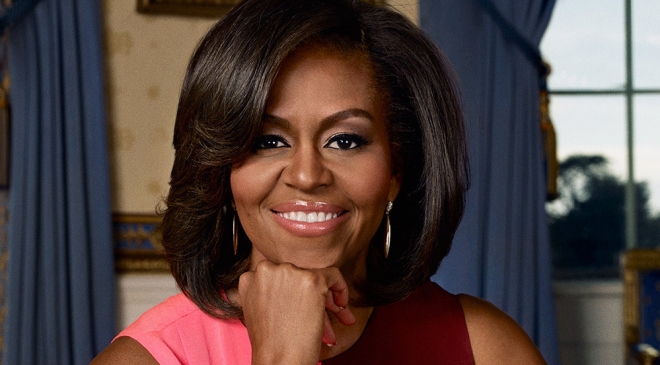 Former first lady Michelle Obama experienced racial attacks throughout her eight years in the White House, but one of the most notorious came shortly after the 2016 presidential election.
Pamela Ramsey Taylor, who headed a West Virginia nonprofit, referred to Obama as an “ape in heels” in a Facebook post. Beverly Whaling, then mayor of Clay, West Virginia, responded approvingly.
The backlash was swift. Whaling resigned as mayor, while Taylor was ultimately removed as executive director of the Clay County Development Corp.
Obama left the White House in 2017 with a national and international profile that extended far beyond her role as first lady. She became a bestselling author, speaker and producer, while remaining one of the country’s most recognizable public figures.
The insult faded. Her influence did not.
Sometimes they take aim at a collective unit.
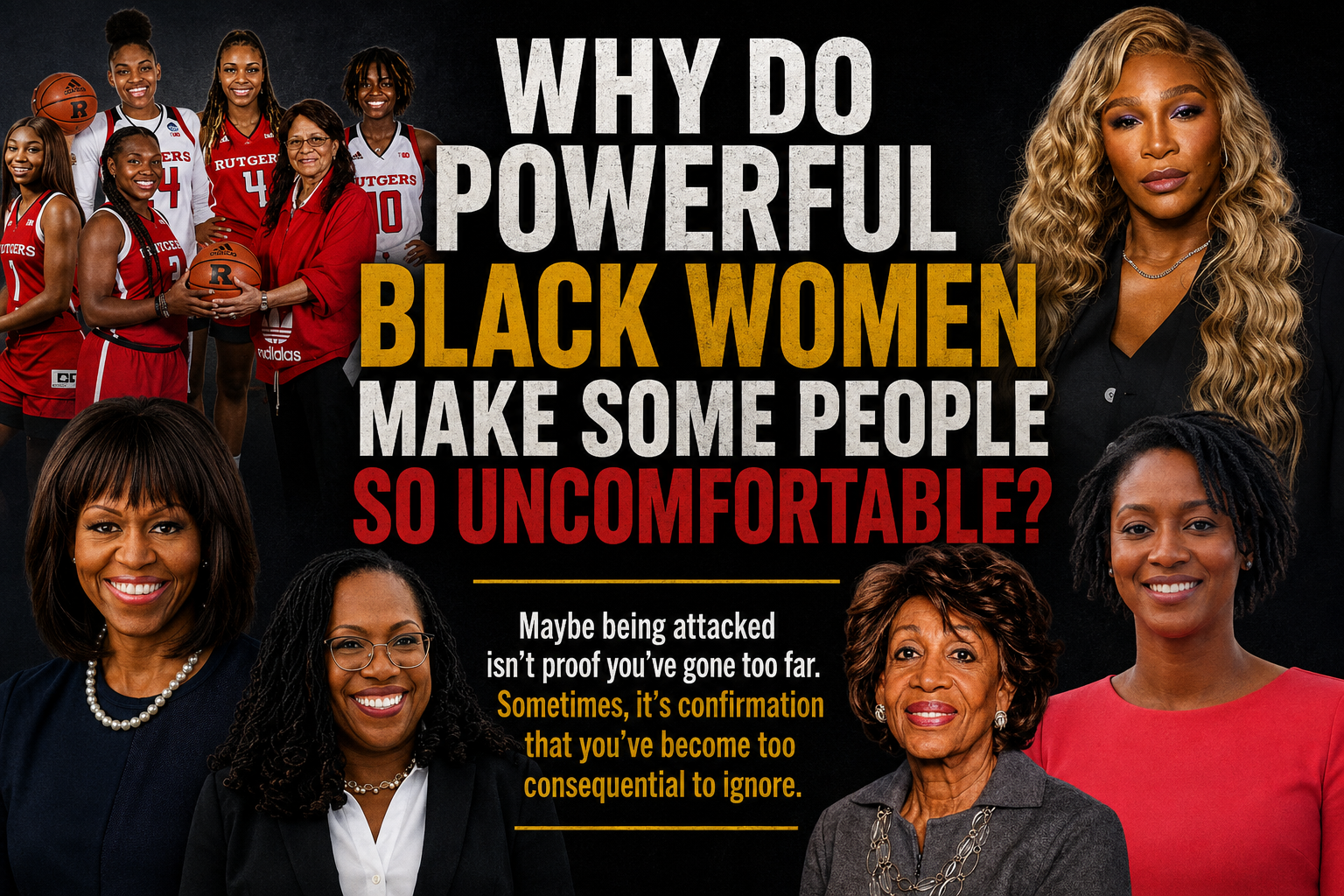
In 2007, the Rutgers University women’s basketball team had just completed a remarkable season that took the Scarlet Knights to the NCAA championship game.
Then nationally syndicated radio host Don Imus reduced the predominantly Black team to a racial and sexual slur, referring to the players as “nappy-headed hos.”
The women suddenly found themselves at the center of a national debate over racism, sexism and the treatment of Black female athletes.
This time, the consequences landed squarely on the person who made the remarks.
Sponsors began abandoning Imus. MSNBC dropped its simulcast of his program, and CBS ultimately fired one of the country’s most prominent radio personalities.
The Rutgers players, meanwhile, were widely praised for the dignity with which they handled the controversy. Their accomplishments on the basketball court became part of a much larger national conversation about how Black women are portrayed in American media.
Political figures seem to be easiest target as people try to diminish their influence.
U.S. Rep. Maxine Waters has spent decades facing attacks that frequently crossed from political criticism into personal ridicule.
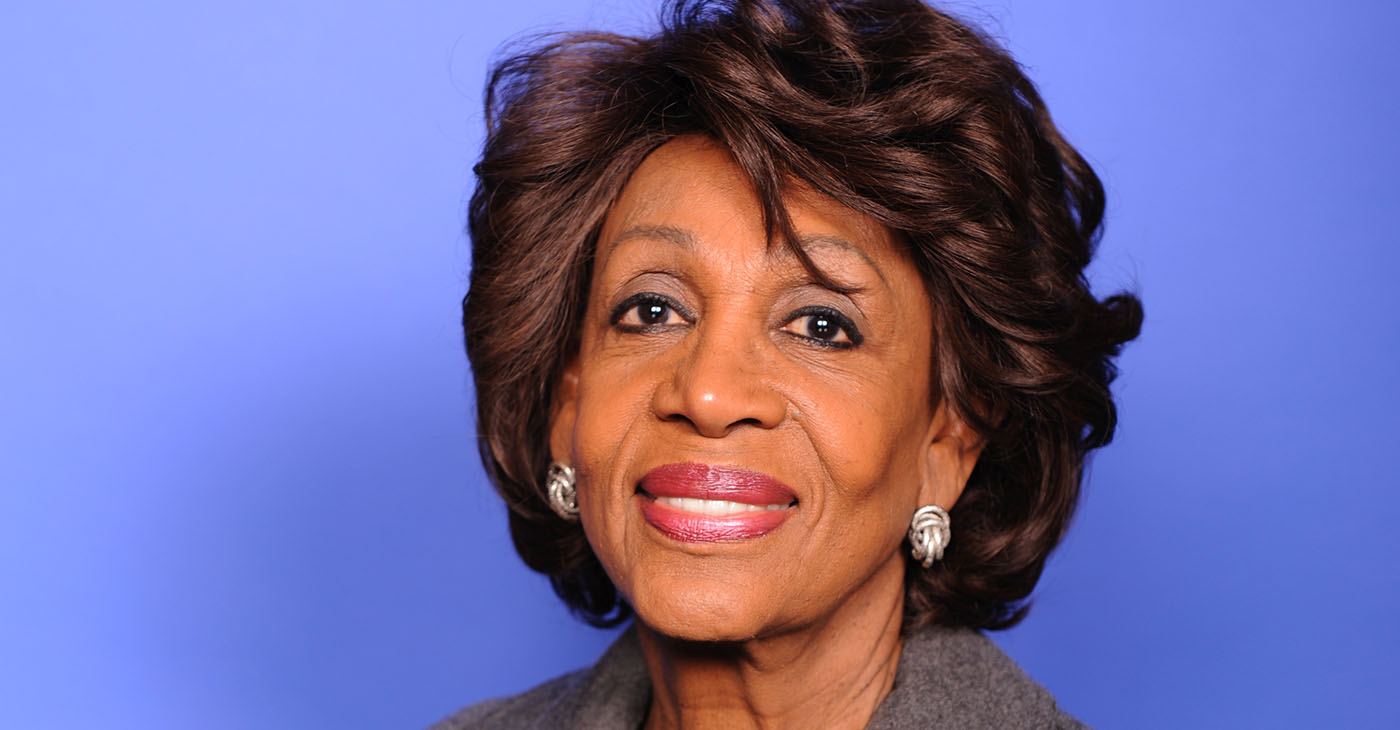
In 2017, then-Fox News host Bill O’Reilly responded to a clip of Waters speaking on the House floor by saying he was distracted by what he called her “James Brown wig.”
The remark immediately drew criticism, including from one of O’Reilly’s own Fox colleagues. O’Reilly apologized, calling the joke “dumb.”
President Donald Trump later repeatedly attacked Waters’ intelligence, at one point suggesting she should take an IQ test and elsewhere calling her an “extraordinarily low IQ person.” Waters called the remarks racist and continued publicly challenging Trump.
Rather than being marginalized, Waters’ national profile grew. Younger supporters embraced the longtime congresswoman as “Auntie Maxine,” turning her into a cultural figure as well as a political one.
When American history was made with the nomination of its first Black female Supreme Court Justice, Ketanji Brown Jackson was attacked, questioned and then confirmed.
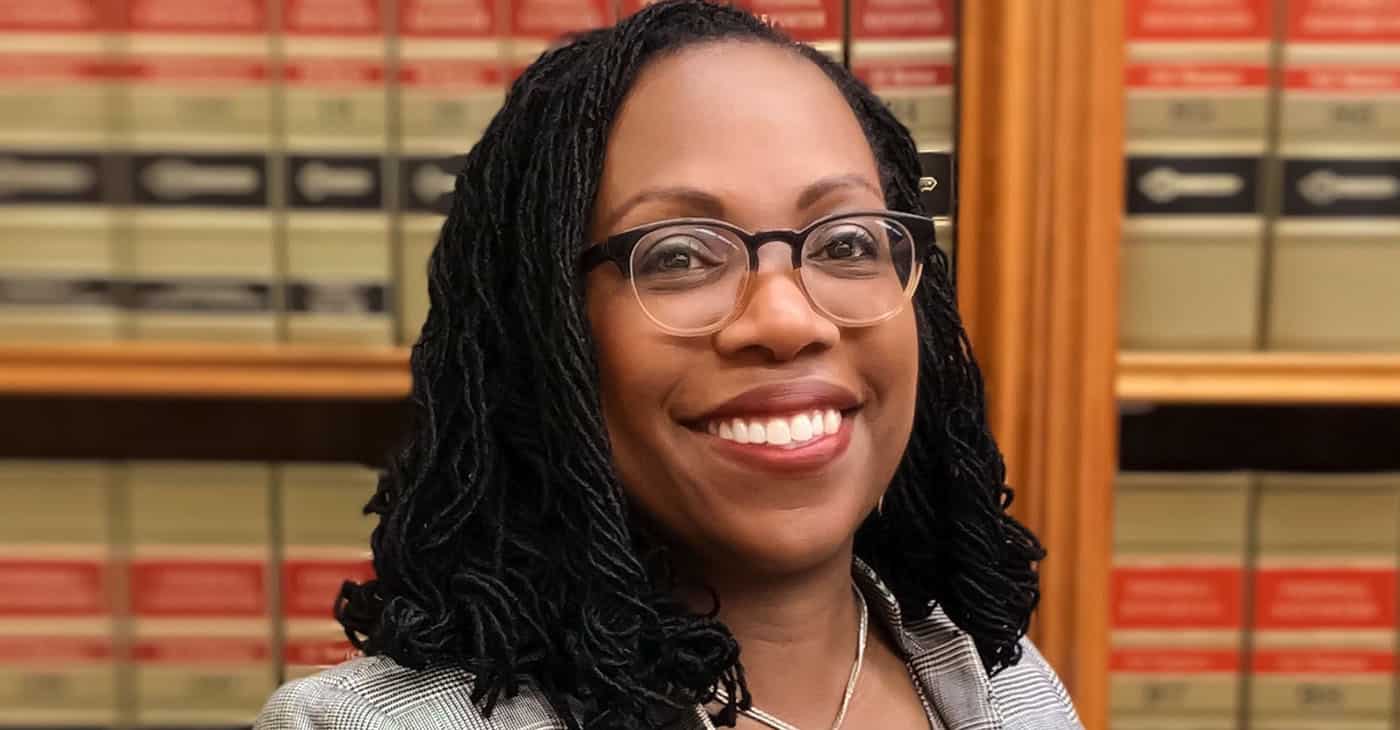
Justice Jackson entered her 2022 confirmation process with a Harvard education, federal judicial experience, service on the U.S. Sentencing Commission and experience as a federal public defender.
Yet her hearings nevertheless became intensely contentious.
Critics attacked her judicial record and portrayed her as soft on crime, while independent fact-checkers and legal experts challenged some of those characterizations as misleading or distorted. Jackson largely maintained her composure through the highly partisan proceedings.
Then came the answer history will remember.
The Senate confirmed Jackson 53-47, with three Republicans joining Democrats.
On June 30, 2022, she was sworn in as the first Black woman in American history to serve on the U.S. Supreme Court.
Today, Jackson is again among the Black women targeted in Loomer’s attacks alongside Nixon.
But time and time again what is meant for you is meant for you and racism can’t stop a winner from winning in this era, no matter how much of a setback it may appear.
Perhaps few Black women have experienced the intersection of racism, sexism and criticism of their bodies as publicly as tennis champion Serena Williams.

Williams and her family said they were subjected to racial abuse at the 2001 Indian Wells tournament. The experience was so painful that Williams boycotted the tournament for 14 years. When she finally returned in 2015, the reception was dramatically different: She walked onto the court to overwhelming cheers.
Williams also endured years of racist and sexist commentary about her muscular physique, hairstyles, clothing and emotional displays on the court. A controversial 2018 Australian newspaper cartoon depicting Williams after her U.S. Open dispute with an umpire was criticized for invoking longstanding racist caricatures and the “angry Black woman” stereotype.
Her response is written in the record books.
Williams finished her career with 23 Grand Slam singles championships, four Olympic gold medals and stretches of dominance as the world’s No. 1-ranked player. She became not merely one of the greatest Black athletes in history, but one of the most accomplished athletes of any race or gender.
The words change. The pattern remains.
“Ape.”
“Nappy-headed.”
“Low IQ.”
“Ghetto.”
The terminology has changed across generations, but the underlying attacks reveal a recurring dilemma confronting Black women who enter spaces of influence historically dominated by white men.
Political disagreement is an expected part of democracy. Criticism accompanies celebrity and professional sports. But racial and gender-based insults occupy a different territory — one with roots stretching far beyond any election, television program or tennis match.
And history also demonstrates that the attacks do not necessarily achieve their intended result.
Michelle Obama left the White House as one of the world’s most recognizable women while one official who insulted her lost her job and another resigned. Don Imus lost his nationally syndicated CBS program while the Rutgers women became symbols of dignity amid controversy. O’Reilly apologized to Waters, whose political stature continued to grow. Jackson endured a bruising confirmation battle and took her seat on the nation’s highest court. Williams absorbed decades of racial and gender scrutiny while accumulating one of the greatest résumés in sports history.
Now Nixon enters that history at a consequential moment of her own.
The Jacksonville lawmaker has already accomplished what few expected by winning the Democratic nomination for U.S. Senate. The racist attacks have not removed her from the ballot, silenced her campaign or ended her bid for higher office.
Whether Florida voters send her to Washington will be decided at the polls.
But if history is any indication, being subjected to racist attacks has never determined how high a Black woman can rise.