

What seemed to be a typical workday for former airline employee Cathy Leggett on Sept. 11, 2001, quickly shifted to one of the most terrifying moments of her life.
“We were not allowed to land in Florida or anywhere in the United States,” she said. “We didn’t know what was going on.”
Leggett was on an international flight headed for Curacao when the plane had to make an emergency landing.
“We ended up going to Haiti and spent about two hours on the tarmac,” she said. “That’s when I knew there was something going on in the U.S.”
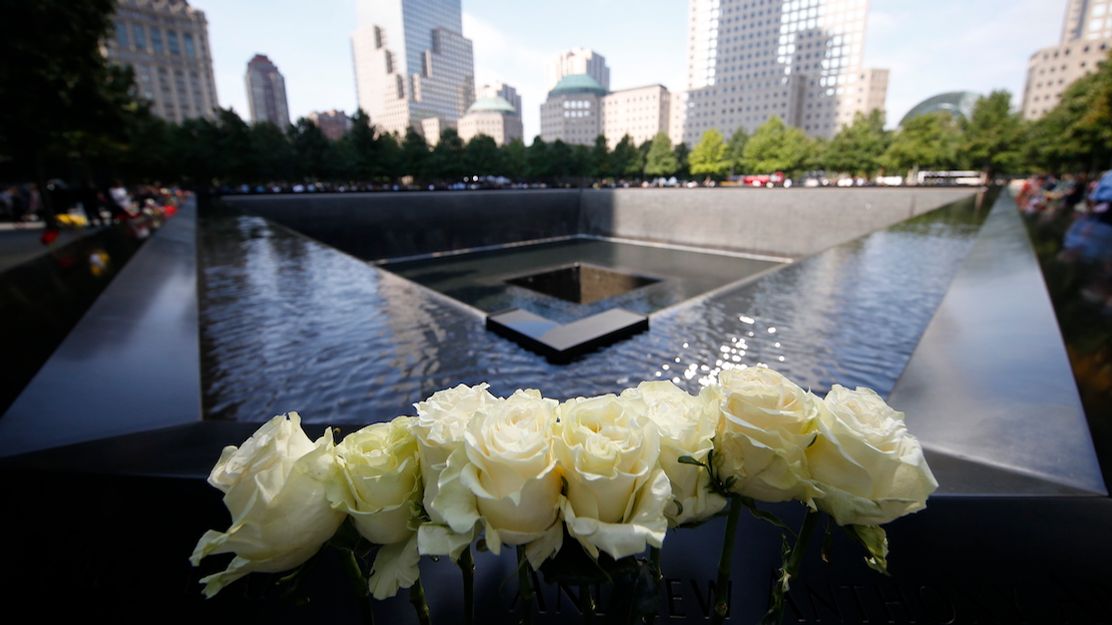
Twenty-five years ago today, the nation faced an unimaginable terrorist attack in the heart of New York. Two planes struck the Twin Towers at the World Trade Center, causing both to collapse. Many workers were still in the buildings and lost their lives trying to escape the turmoil.
Unprecedented chaos erupted throughout the country, particularly in lower Manhattan after the initial attacks, in the Washington area where a third plane hit the Pentagon and outside Shanksville in southwestern Pennsylvania where the fourth crash-landed in a field.
The 2001 attack took place during the first term of George W. Bush’s presidency. Orchestrated by Osama bin Laden of Saudi Arabia, the assault was allegedly motivated by opposition to U.S. policies in the Middle East. It remains a vital period of reflection for many Americans.
Kenneth Roberts Jr., was in ninth grade at the time and remembers watching the attacks on a television at school.
“I started crying once I started seeing the people jumping out and the tower started falling and the pedestrians running and everybody was covered in ash,” Roberts said. “It was like, wow.”
As the day continued, Roberts said the fear stretched beyond what he was seeing on television. Living in Jacksonville, Florida, near a naval station, he remembers heightened security throughout the city and major bridges being shut down.
“Instead of us being able to leave school and go home at 3 like we normally do, we didn’t get home till almost 6,” Roberts recalled.
Despite the fear and uncertainty of that day, Roberts said what stayed with him was how people came together afterward.
“It’s one thing to watch it on television,” he said, “but it’s different to actually be out in the streets and actually have witnessed Black people and white people walking together, holding hands, making sure one another’s OK.”