
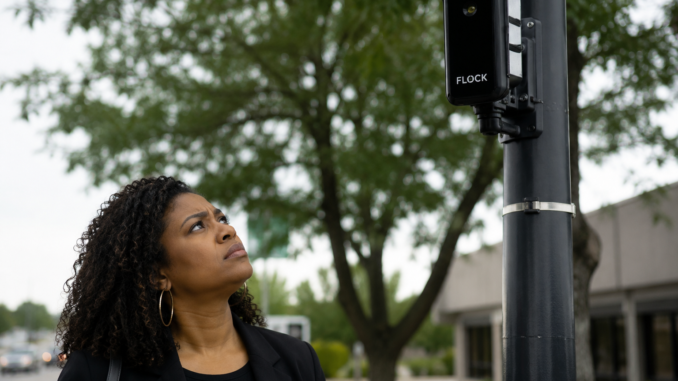
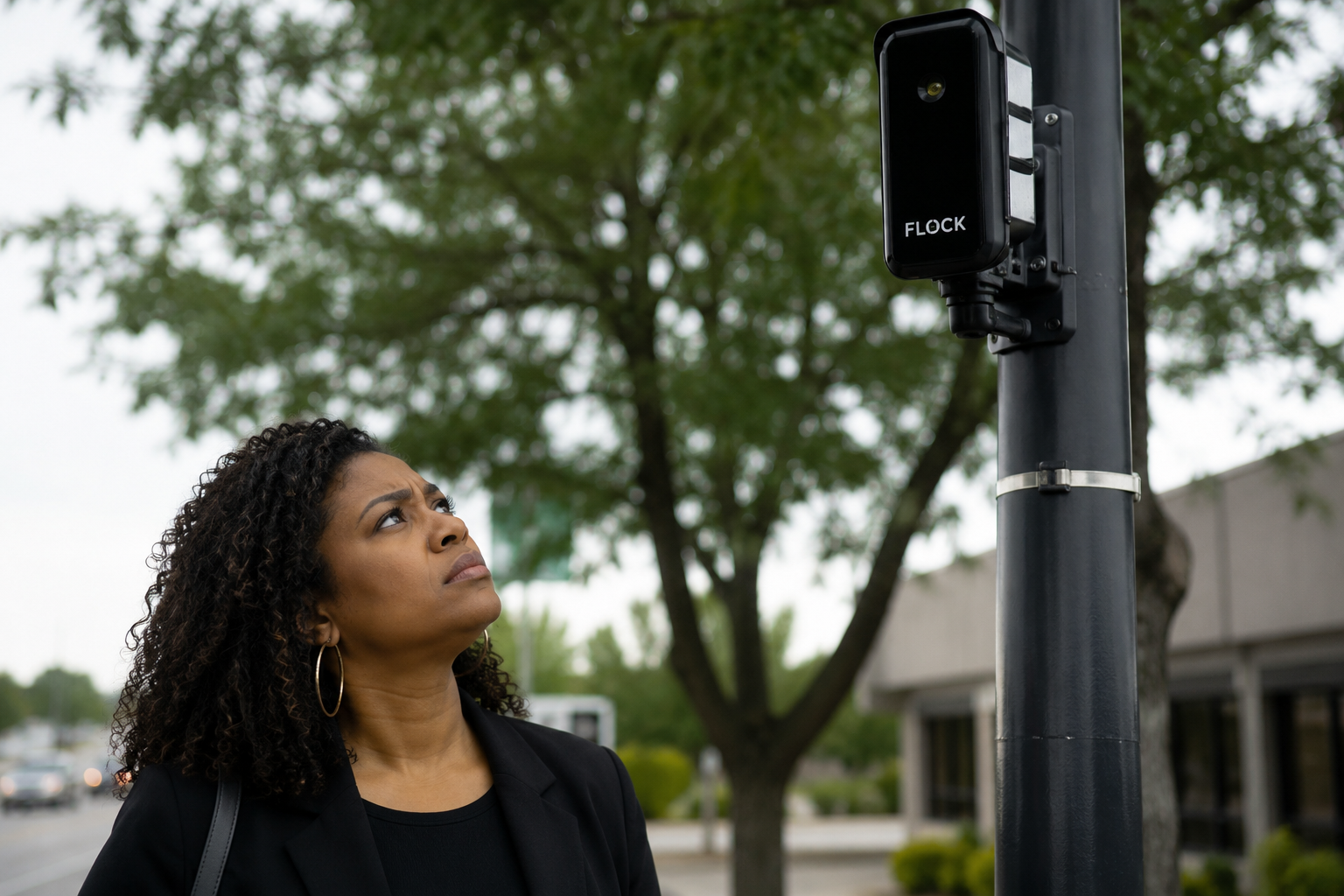
JACKSONVILLE, Fla. — Jacksonville is ending its use of automated license plate readers, closing the chapter on a crime-fighting technology that law enforcement says helped solve serious crimes — but that increasingly faced questions over privacy and surveillance.
Sheriff T.K. Waters announced Monday that the Jacksonville Sheriff’s Office will immediately discontinue license plate reader technology throughout Duval County, going beyond a Florida Department of Transportation directive requiring the devices to be removed from state roads within 30 days. FDOT also stopped issuing new permits for the cameras.
License plate readers have been part of JSO’s toolkit for at least several years. JSO records show LPR trailers were deployed to 42 locations during 2022, while by 2024 the agency reported 58 license plate readers deployed throughout Jacksonville. The cameras automatically capture license plates and allow investigators to compare them with information connected to crimes, wanted vehicles and missing or vulnerable people.
Supporters point to results: Local advocates for the technology say the cameras have assisted Jacksonville investigations involving 15 murders, 17 kidnappings, six forcible sex offenses and 100 shootings, while helping locate 172 people. Critics, however, raised concerns about mass surveillance, data collection, third-party access and potential misuse.
Those concerns recently spilled into a Jacksonville City Council public meeting, where residents argued both for keeping the crime-fighting tool and for greater privacy protections.
Waters acknowledged the technology had been an “enormously valuable investigative tool,” but said the combination of FDOT’s statewide decision and concerns raised by Jacksonville residents made discontinuing it the appropriate move.
The debate leaves Jacksonville facing a larger question: how to balance technology that can help solve crimes with residents’ expectations of privacy.