
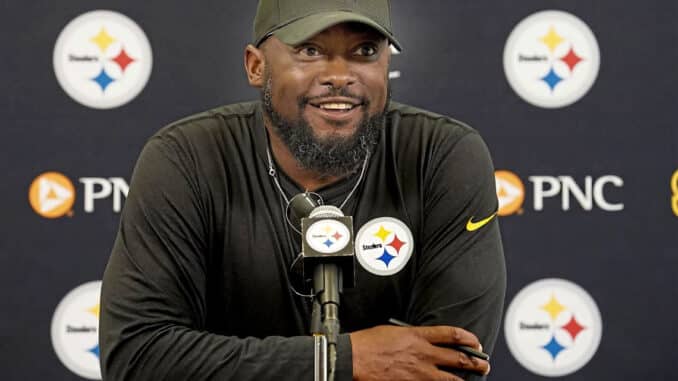
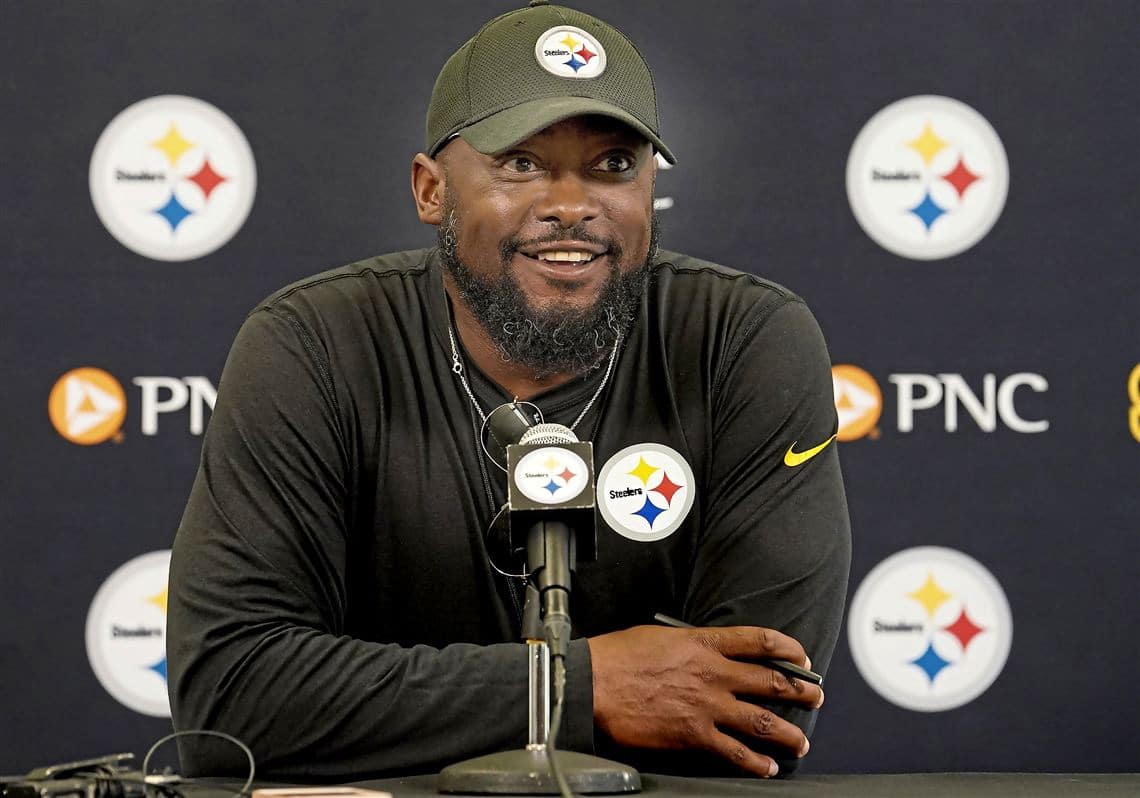
After a historic 19-season run in Pittsburgh, Steelers head coach Mike Tomlin told his team that he’s leaving during a meeting. Tomlin never had a losing season, compiled a 193–114–2 regular-season record, led the team to 13 playoff appearances, eight division titles, and a Super Bowl XLIII victory. The decision came a day after a 30–6 playoff loss to the Houston Texans, extending a postseason drought that included seven straight playoff defeats. The Steelers will now search for a head coach for only the fourth time since 1969.
At age 36, Tomlin became the youngest head coach to win the Super Bowl. Tomlin holds the record for most consecutive non-losing seasons to begin a coaching career with 19. He was the longest-tenured head coach in the four major North American sports leagues.
“After much thought and reflection, I have decided to step down as head coach of the Pittsburgh Steelers. This organization has been a huge part of my life for many years, and it has been an absolute honor to lead this team,” Tomlin stated on the Steelers website.
Mike Tomlin has been one of the most successful Black head coaches in NFL history. His longevity — nearly two decades at the same franchise — is unmatched among Black coaches in the modern era. He was among a cohort of Black head coaches who demonstrated sustained competitive success, helping challenge stereotypes about leadership capabilities at the highest levels of NFL coaching. Yet even his storied tenure highlights how rare it has been for Black coaches to attain such continuity, especially compared with the careers of many of their white counterparts.
Despite the NFL’s predominantly Black player demographic, Black head coaches have historically been scarce. The first modern NFL Black head coach was Art Shell in 1989, but few followed in the subsequent decade. In response to persistent underrepresentation, the league established the Rooney Rule in 2003, named for Dan Rooney of the Steelers. It required teams with head coach vacancies to interview at least one minority candidate, to expand access for Black coaches and other underrepresented groups.
The Rooney Rule initially coincided with an increase in Black head coaching hires, but progress has been uneven. Several franchises still have never hired a Black head coach on a permanent basis. The interview requirement expanded over time, including more minority representation and broader positions (e.g., general manager, offensive/defensive coordinators), but critics argue many teams still treat compliance as procedural rather than transformational.
There is no rationale for the stigma associated with NFL teams not hiring Black coaches. Academic research and league data suggest that Black coaches often meet or exceed performance benchmarks but face structural obstacles in hiring and retention compared with white counterparts. Barriers include less robust professional networks, shorter evaluation periods, and more limited opportunities for high-profile coordinator roles that lead to head coaching posts.
The landscape at the start of the 2026 offseason reflects both progress and ongoing challenges. The league has seen multiple head coaching changes across teams, generating nine vacancies including Pittsburgh’s. Even after efforts like the Rooney Rule and development programs, the percentage of teams led by Black head coaches remains short of proportional representation. Some minority leadership initiatives have been paused or restructured, highlighting ongoing debate about the most effective strategies to ensure equitable hiring.
Mike Tomlin’s departure from the Steelers marks the end of an extraordinary chapter in NFL coaching history. It also offers a moment of reflection for the league on racial equity in leadership. His career demonstrated that Black coaches can lead franchise stability, win championships, and sustain culture over time. At the same time, structural barriers in hiring and representation persist, and the NFL’s progress remains uneven.
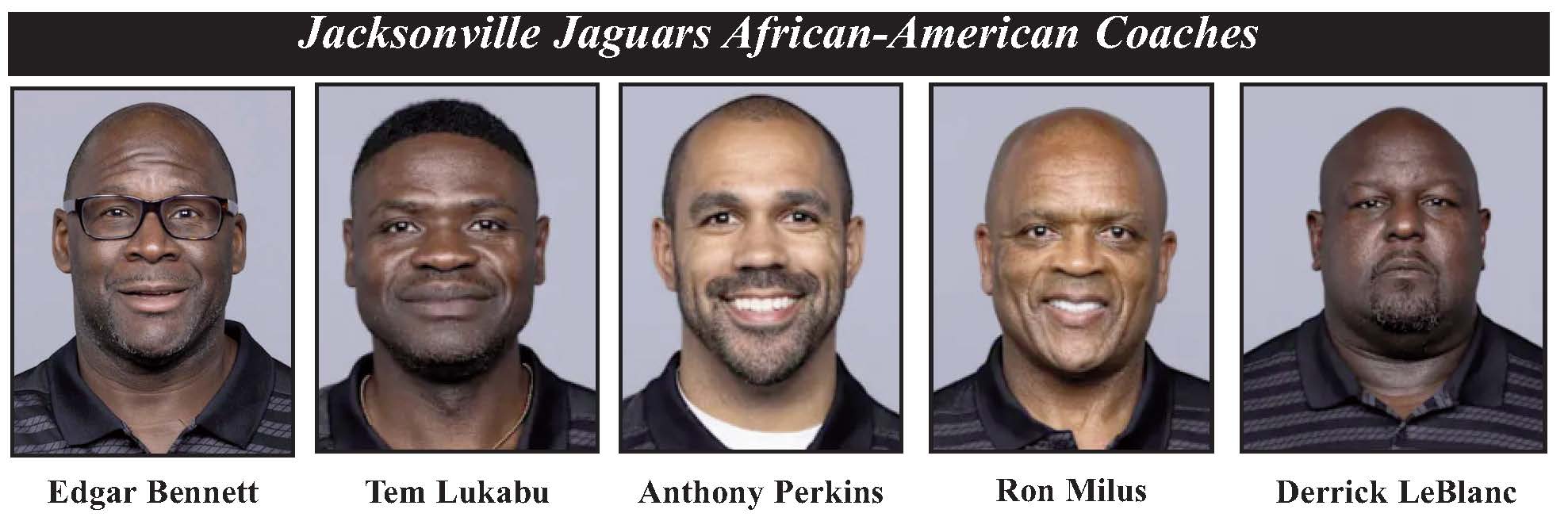 On a local level, the Jacksonville Jaguars have a number of Black coaches including Edgar Bennett -Wide Receivers Coach; Tem Lukabu – Linebackers Coach; Anthony Perkins – Defensive Backs Coach; Ron Milus – Secondary Coach and Derrick LeBlanc – Assistant Defensive Line Coach.
For Black coaches in the NFL, Tomlin’s exit is simultaneously a challenge and an opportunity: a moment to reassess the league’s commitment to diversity beyond procedural requirements, and a chance to elevate the next generation of leaders positioned for success.