


 by Sylvia Perry
When I first began the 17 hour journey that would land me in West Africa, I left full of hope and excitement. Boarding the overnight flight from New York’s JFK Airport to Accra, my one expectation is to return feeling something. Though I had previously traveled to North and Southern Africa, West Africa remained out of my resume. For years I’ve heard friends talk about the “pull” of West Africa — a sense of connection deeper than tourism, more profound than a postcard. What I didn’t expect was how quickly that feeling would arrive.
Touchdown in Accra
Immigration was surprisingly easy. From disembarking the plane to baggage claim was less than 20 minutes. The moment you step out of Kotoka International Airport, you are greeted with the warm humid air we Floridians are used to. Surrounded by people of color, you begin to get that feeling of “I’ve arrived.”
Accra moves at its own pace. Taxi drivers call out destinations with a smile, street vendors offer plantain chips and chilled drinks, and rhythmic music follows you everywhere.
My hotel’s driver was waiting with a sign to escort myself and others to our waiting van. The air condition felt good!
The Pelican Hotel is located in Cantonments – a lively neighborhood known specifically for its blend of modern energy and cultural authenticity. It had all the western comforts we have gone accustomed too and each room was a mini suite. Arriving at 9 a.m. and not being able to check in for hours, some of my colleagues and I decided to get an early start on the adventure and visit the DuBois Center which was not too far away.
Dubois Center: A Bridge Between Worlds
The W.E.B. Du Bois Memorial Centre, felt like a bridge between his American identity and African heritage. Du Bois, founder of the NAACP was a towering figure of Black
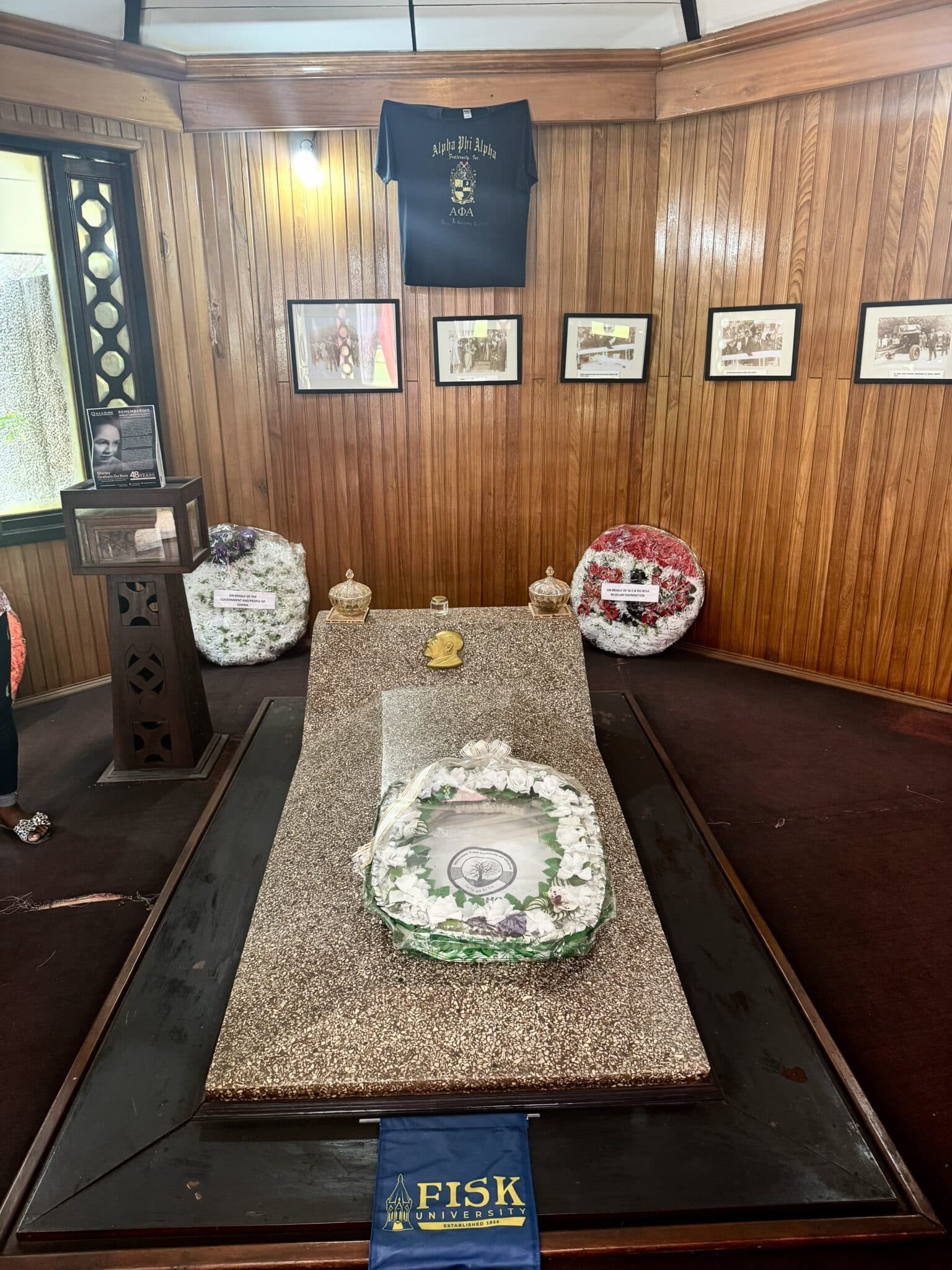
scholarship and activism though small in stature. He spent his final years in Ghana. The center — part museum, part library, part memorial — preserves his writings and life’s work. You are allowed freely to linger in the library, flipping through pieces of Du Bois’s speeches and photographs. The center which was also his home had many artifacts including the robe he graduated from Harvard University in and his scholarly works. In addition, it is his final resting place.
It reminded me that our stories don’t end where we’re born. Sometimes they end where they began.”
The primary reason I chose Ghana for a visit was its historical value for we as African-Americans. For a time such as this, to remain vigilant, steadfast and hopeful is at the forefront of what we need to do. What better way to reinforce that ideology than a visit to our past and yes – as a Black person, it’s highly likely even centuries later that my history included Ghana.
Crossing the Ancestral River
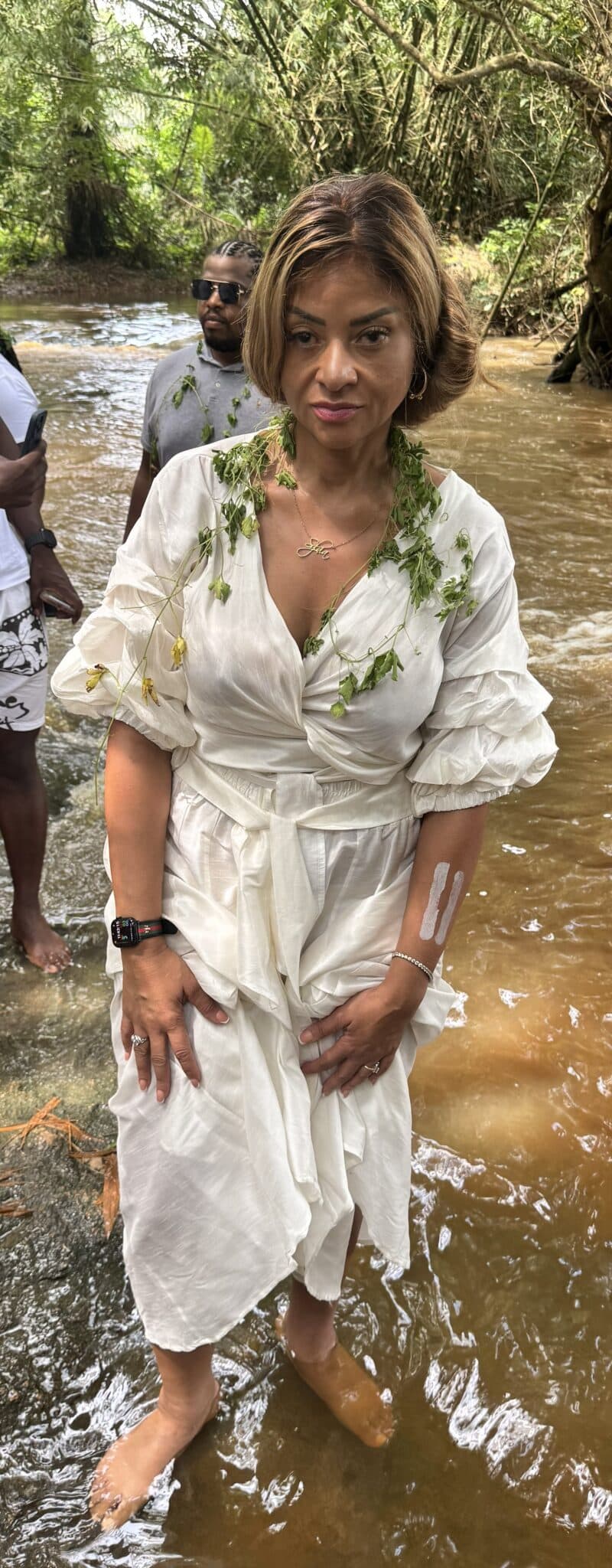
A four-hour drive away was a visit to the Ancestral River, historically believed to be one of the last bodies of water enslaved Africans crossed before being taken to the ships. Its quiet flow contrasts sharply with the turmoil of its past. I put my hand in the cold water and it wasn’t sadness I felt — it was a promise to remember.
The tour ironically began with a rendition of Lift Every Voice and Sing before being marched in single file lines as the slaves were to be bathed before marching miles to Elmina Castle. Each person was adorned with a laurel before marching barefoot to the river. After being united in prayer, each person was asked to cast their laurel into the rolling river and their burdens along with it. The experience was no less cathartic.
Elmina Castle
A few miles away is the Elmina Castle which is actually a dungeon. The massive structure brought a shift in tone. It is one of the most significant historical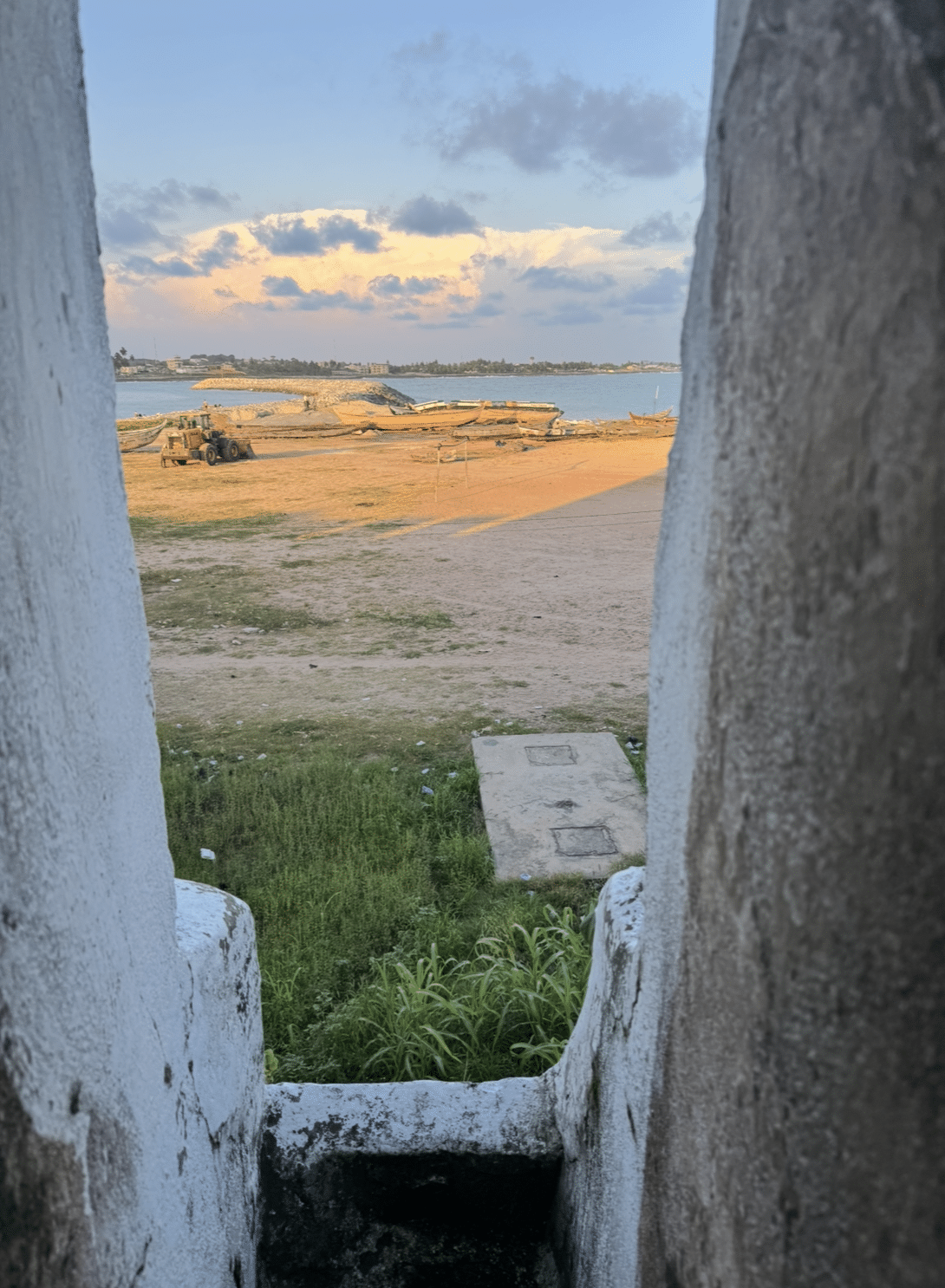 sites on the continent as the largest slave exporting site in the world. Standing inside its cold stone walls — tens of thousands of Africans were held captive before they were forced onto ships. You could literally the weight of generations. The tour guide’s voice reverberated through the chambers, describing unimaginable suffering.
It wasn’t just a tour. It was confrontation — with pain, with loss, but also with survival.
Looking out the infamous “Door of No Return,” the landscape was breathtaking. It was heartbreaking to think that was the last site our ancestors would ever see of their homeland.
Kwame Nkrumah Memorial Park: A Nation’s Pride
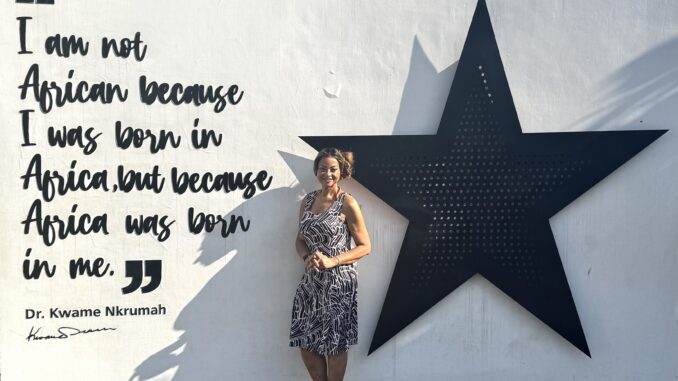
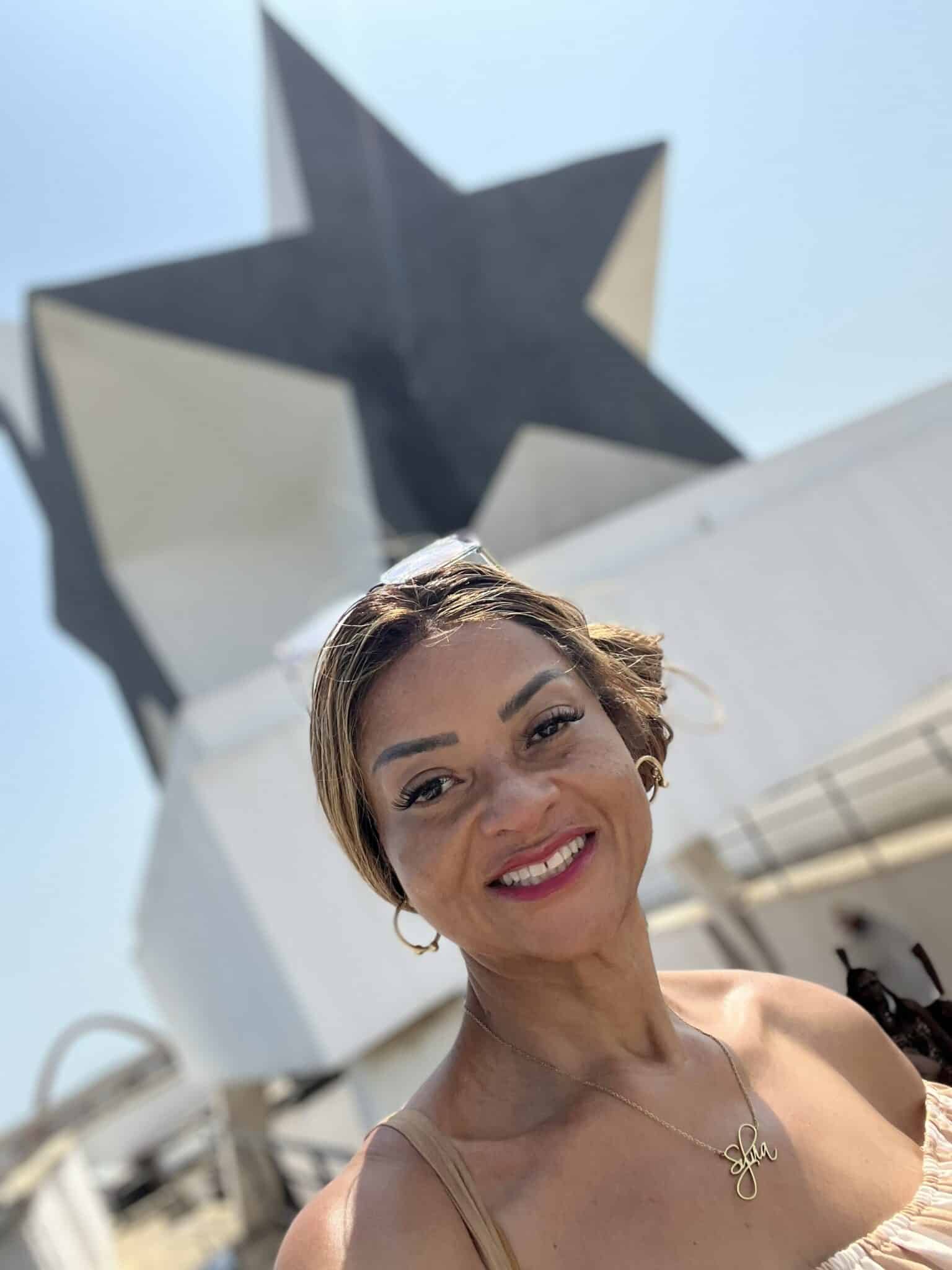
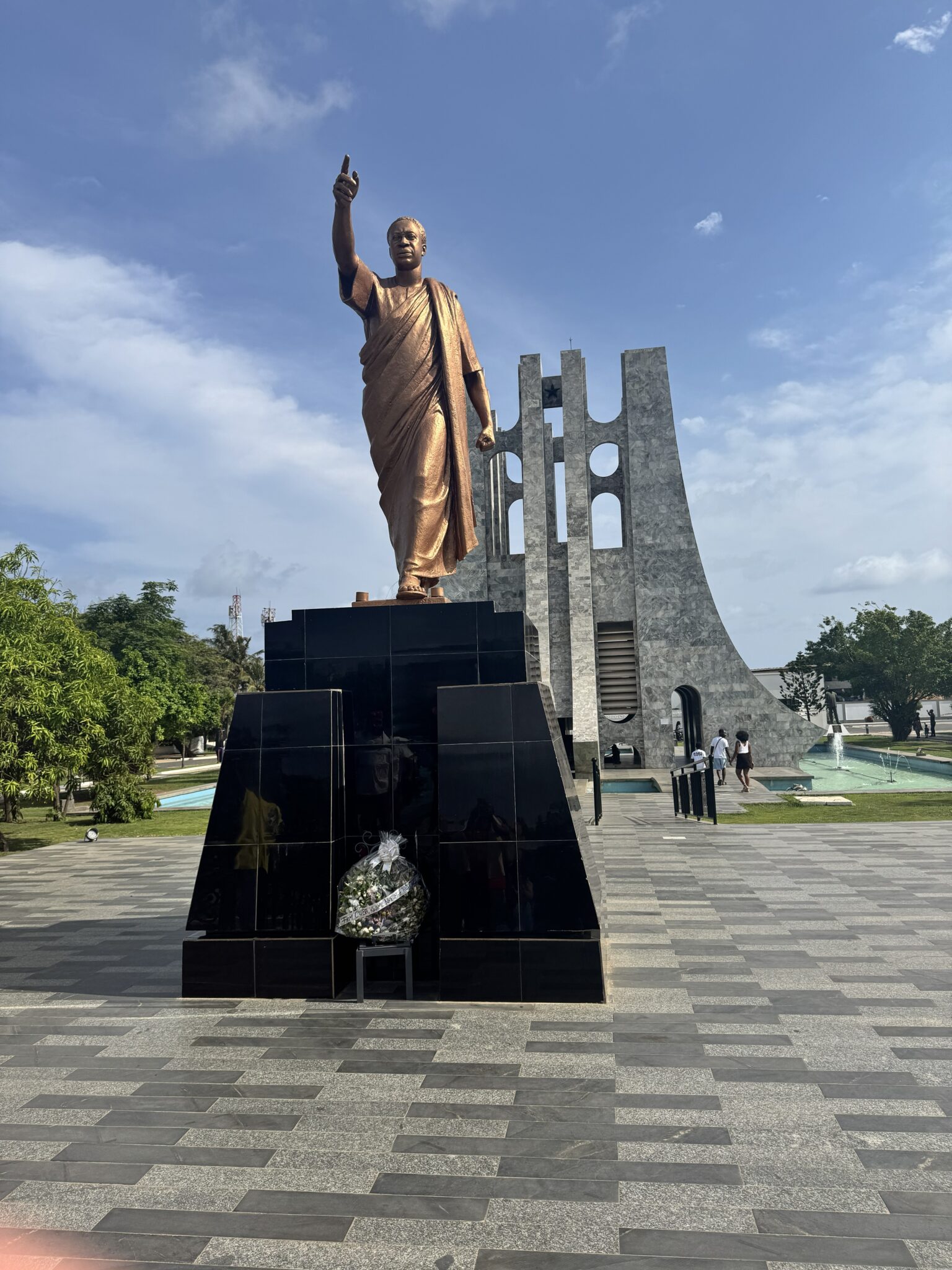
Back in Accra, another must see is the Kwame Nkrumah Memorial Park, a beautifully designed space honoring Ghana’s first president and a global symbol of Pan-Africanism. The marble mausoleum, fountains, and statues reflect a nation that fought boldly for independence. I grew up hearing about Nkrumah. But seeing where he stood, understanding what he built – it gave me a new perspective on what leadership rooted in liberation looks like. The country’s tribute to their founding father is nothing short of amazing and is also his final resting space. Though he was ousted in a coup, his remains eventually made it back to his homeland. You see the Black Star everywhere. Ghanaians have come to regard the Black Star as a specific symbol of Ghana rather than of Africa in general. As well as on the flag, the star appears on the coat of arms; on the Black Star Gate in Black Star Square in the capital, Accra, and on the Seat of State in Parliament, on which the President sits on ceremonial occasions. The Ghana national football team is nicknamed the “Black Stars”. The house flag of Ghana’s former national shipping carrier, the Black Star Line, also featured the star.
Labadi Beach: Music, Horses, and Ocean Air
The history is heavy but it is not the only draw to Accra. We had the opportunities to have a few bright evenings and afternoons at Labadi Beach, one of Accra’s most beloved
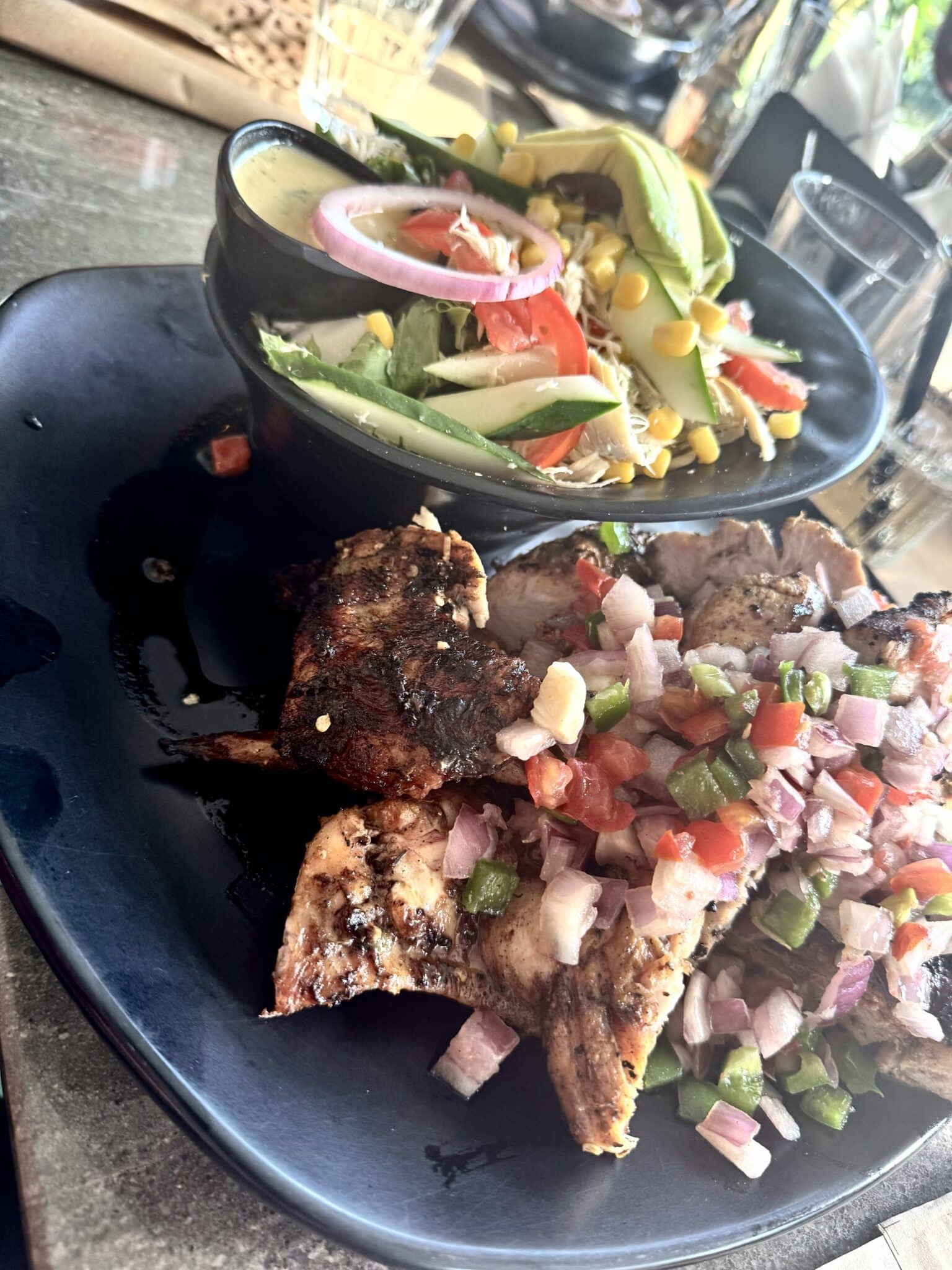
coastal spots. Children splashed in the waves, horseback riders trotted along the shoreline, and drummers performed rhythms that attracted small crowds. It is lined with restaurants and vendors with live music, bars, and loads of activities. People camp out there until the wee hours of the morning to enjoys sunshine, sunsets and good times. There’s an openness there where you know joy is shared.
Nightlife: Where the City Truly Lives
All I can say to Accra’s nightlife is WOW. The introduction to Accra’s nightlife started in Osu’s famed Oxford Street. The strip hums at night with Afrobeats pouring from lounges, rooftop bars, and open-air patios. At the Tunnel Lounge, one of Accra’s trendiest spots, the state of the art restaurant and lounge will lock you into an atmosphere that felt strikingly familiar — young professionals, locals, travelers from across the diaspora, all vibing under neon lights. Later, at Aces, the night turned electric with DJs blending Afro-fusion, hip-hop, and amapiano. Accra at night feels like possibility. Everyone’s celebrating something — even if it’s just life.
Shopping: Arts, Crafts, and Pieces of Home
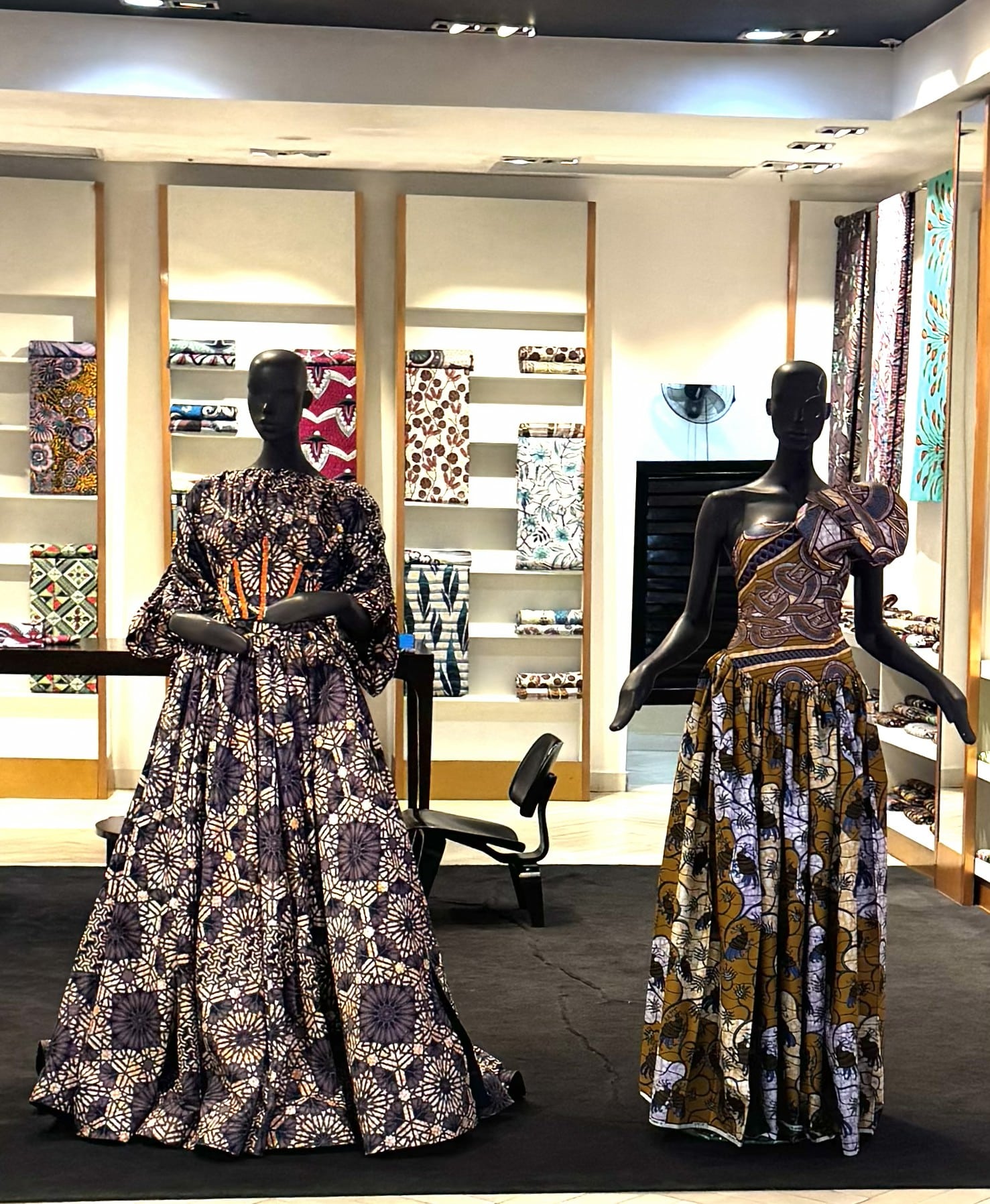
For souvenirs, you must head to the Arts Centre Market, famous for handcrafted goods from across Ghana. There you will find kente cloth, hand-carved masks, bead jewelry, and shea butter packaged by local cooperatives. Bargaining was part of the fun — and part of the culture. Later, in the more modern Accra Mall, I grabbed locally made fashion pieces and sampled Ghanaian snacks to bring home. The hotels also have seamstresses that will come and measure you for custom fits and you will get your items back within 24 hours. Imagine a couture fit for $50!
A Journey That Stays With You
By the time I boarded my flight to JFK, I felt transformed. This journey offered celebration and reflection, introspection and community — a blend I’ve never quite experience elsewhere. I didn’t just visit Ghana, I reconnected with something I didn’t know I was missing. For many African-Americans, the journey to Accra is more than travel — it’s a return, a reclaiming, and often, the beginning of a lifelong relationship with the Motherland. That in itself is priceless.