
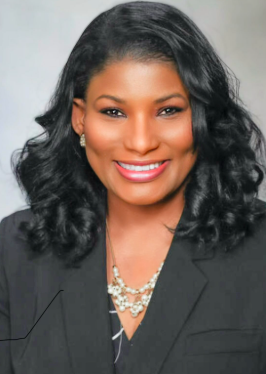

By Dr. Kimberly Barbel Johnson and Dr. Valandrea Merilan | Jacksonville knows heat. We expect sticky summers, afternoon thunderstorms, and the kind of humidity that fogs your glasses the moment you step outside. But what we’re experiencing now is different. Extreme heat is becoming the most dangerous and least understood public‑health threat in Northeast Florida — and our community is not prepared for what’s coming.
Last summer brought Jacksonville its longest stretch of triple‑digit heat indices in recorded history. Nights stayed hot enough that the body couldn’t cool down. Emergency rooms saw spikes in heat‑related illness. Outdoor workers collapsed on job sites. And families across the city faced impossible choices between running the air conditioner or paying the electric bill.
This is not just uncomfortable. It’s deadly.
Extreme heat strains the body in ways most people don’t recognize until it’s too late. Dehydration, heat exhaustion, and heat stroke can escalate within minutes — especially in Jacksonville’s humidity, which prevents sweat from evaporating and blocks the body’s natural cooling system.
Chronic conditions worsen too. Cardiovascular disease, asthma, diabetes, and mental‑health disorders all become harder to manage in prolonged heat. Pediatricians warn that infants and young children are at particular risk because their bodies cannot regulate temperature effectively. And research shows that pregnant people exposed to extreme heat face higher risks of preterm birth.
These aren’t abstract risks. They’re showing up in Baptist, UF Health, Mayo, and emergency clinics across Duval County.
Extreme heat does not impact all Jacksonville residents equally.
Neighborhoods like Brentwood, New Town, and parts of Arlington have fewer trees, more asphalt, and older housing stock — conditions that create urban heat islands where temperatures can be 10–15°F higher than in shaded, coastal, or suburban areas.
Outdoor workers — construction crews, landscapers, delivery drivers, port workers — face some of the most severe risks. Many work in direct sun for hours with limited access to shade or cooling.
Unhoused residents struggle to find safe places to cool down, especially as libraries and public buildings reduce hours.
Low-income families often live in homes with poor insulation or aging AC units. Even when cooling is available, high utility bills force many to ration air conditioning during the hottest months.
In a city where heat risk maps overlap almost perfectly with maps of poverty and racial segregation, extreme heat is not just a climate issue — it is an equity issue.
Despite rising temperatures, many Jacksonville residents still underestimate their personal risk. We’re used to heat. We think we can handle it. But familiarity breeds complacency.
Public-health experts warn that this perception gap is dangerous. People often don’t recognize heat illness until symptoms become severe. And because heat waves feel like “normal summer weather,” many don’t check on neighbors, older relatives, or vulnerable friends.
The lesson from past disasters is clear: social connection saves lives. A phone call, a knock on a door, or a ride to a cooling center can be the difference between life and death.
Fortunately, we know what works. Jacksonville has the tools to protect its residents, but we need coordinated action. The city must:
- Expand cooling centers and ensure they are accessible by bus routes.
- Increase tree canopy in neighborhoods with the highest heat exposure.
- Partner with JEA to provide targeted utility assistance during heat emergencies.
- Strengthen worker protections so outdoor laborers have guaranteed access to shade, water, and rest.
- Improve public communication so residents know when heat becomes dangerous — and what to do.
Local organizations are already sounding the alarm. Health professionals, climate scientists, and community groups across Northeast Florida are urging city leaders to treat extreme heat as a public‑health emergency, not a seasonal inconvenience.
Extreme heat is reshaping life in Jacksonville. But it doesn’t have to reshape our health outcomes. Every heat‑related death is preventable. Every hospitalization is avoidable. We have the science, the data, and the community strength to protect one another — if we act with urgency.
Jacksonville is a resilient city. We’ve weathered hurricanes, economic shocks, and public‑health crises. We can meet this challenge too. But first, we must recognize extreme heat for what it is: the most pressing, predictable, and preventable public‑health threat facing our region.
And the time to act is now.
—
Kim Marie Barbel Johnson, D.O., MPA is a physician-scientist, family physician, and healthcare executive whose career encompasses clinical medicine, clinical research, and community health leadership. Dr. Johnson serves as Program Director for General Internal Medicine Community Clinical Trials and Innovation at Mayo Clinic in Florida.
Valandrea Merilan is a resident physician at Mayo Clinic in Jacksonville, Florida. Her specialties include academic medicine, community engagement, hospital medicine and women’s health.