
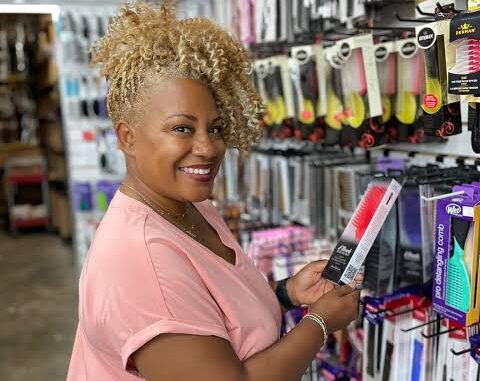
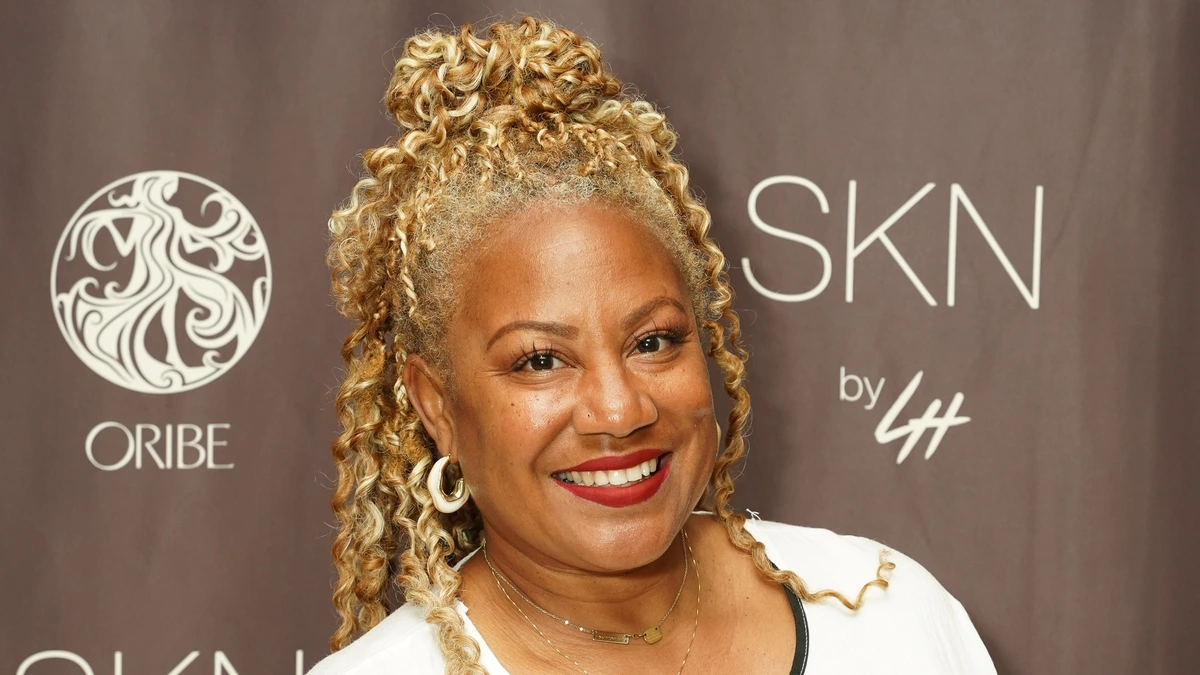
“It’s not a hair book like what you usually get,” she tells Essence. In the chair, she says her clients often opened up about their life, hardships, and trauma, which deepened with every pass of the comb. “They kept explaining what’s been happening with their hair and it was a lot of trauma that they were never able to release,” she recalled. From celebrities, including Issa Rae, to everyday women, “I really wanted to write about their stories.”
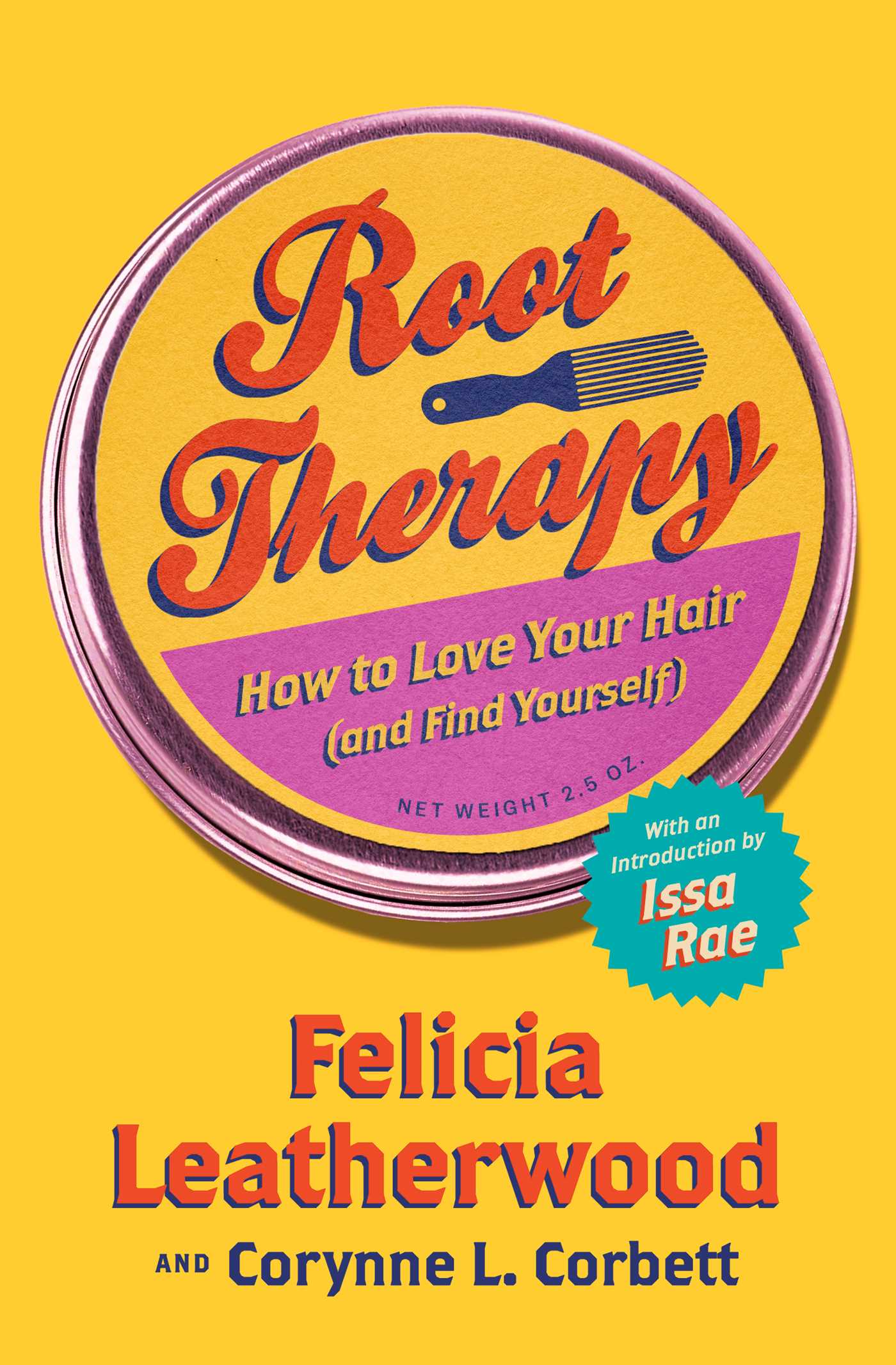 For the past four years, Leatherwood and her co-writer, Corynne L. Corbett, have been recollecting stories upon stories of times hairstyling helped women work through trauma, especially those who faced mistreatment due to texturism as children and even throughout adulthood, relationships, and school.
Instead of a traditional hair book, Root Therapy is one Leatherwood describes as a spiritual, self-help book that makes women feel seen, heard, and healed. “It’s one thing to be a good hairstylist. People like hairstylists,” she says. However, “it’s another thing to actually have the full intention on healing the community and healing the culture.”
Where Black Culture, Community
And consciousness Meet
“My mom was sick a lot [so] my grandma and dad were the ones who did my hair,” she says. “But, they would torture me.” One memory, she recalled, was her grandmother slugging her hair with grease in 100-degree weather which left her coils smoking. Because of that, Leatherwood took matters into her own hands, learning to do her own hair as early as 7 years old.
By the time she got older, she started taking clients in the living room of her little apartment. “I would go to work by day and braid hair at night,” she says. That way, by the time she started working in a salon near Beverly Hills, her books began to fill up with the Black celebrity clients coming in.