

by Tannnista Sinha (Houston Defender)
Before we ever paid a bill or worked a full week, movies had already shown us what adulthood was supposed to look like…stylish apartments and exciting careers with minor inconveniences that wrapped up in two hours.
Then real life showed up.
Technically, Hollywood did not lie.
1. You’d have a gorgeous apartment in River Oaks on a vaguely creative salary
Movies convinced us that adulthood meant exposed brick, floor-to-ceiling windows, artsy interior decor, and a kitchen so large you could host a catered dinner for 20, even if your job description included words like “aspiring,” “writer,” “poetry curator,” or “assistant to someone important.”
On screen, the struggling writer moves between NYC and Houston, the junior magazine editor has a walk-in closet, the recent grad somehow affords a downtown loft with pendant lighting and an industrial bookshelf filled with color-coordinated novels they allegedly read between dramatic life events.
In reality, adulthood is learning what “garden-level unit” actually means. It is in discovering that “cozy” translates to “you can stir pasta from your bed.” It is realizing that exposed brick is either fake or $800 extra per month.
You essentially get a PhD in square footage math, learn to love multi-functional furniture, and discover that your “open concept” is just…one room.
And yet, there is something both tragic and funny about how quickly aesthetics give way to survival math.
You light candles because the overhead light is too aggressive. Your Pinterest board becomes a mood, not a lifestyle. And somehow, despite the gap between expectation and reality, the apartment, even the small one, still becomes yours.
It holds the late-night breakthroughs, the breakdowns, the takeout containers, the quiet wins.
The brick wall might be imaginary. But your budget apartment is more yours than the actors could portray on screen.
2. Your friends would always be available
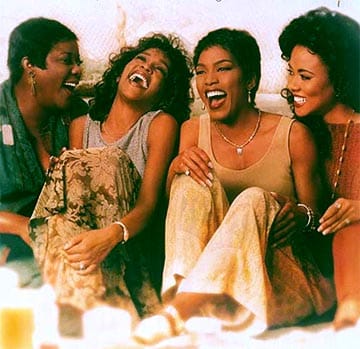
In movies, adulthood is a never-ending ensemble cast.
There’s always someone free for coffee at 11 a.m. on a Wednesday, someone ready for a spontaneous road trip, someone who lives within walking distance and has no competing obligations beyond emotional support and witty banter.
No one in these films appears to have a dentist appointment, childcare, a 9 a.m. meeting, or the kind of fatigue that seeps into your bones after answering emails for eight straight hours.
Real adulthood is scheduling joy two weeks in advance. You have to send calendar invites to your girlies for brunch.
Then someone replies, saying, “I can do 2-4 p.m., but I have to leave by 4:05.”
The group chat sometimes goes silent because three people fell asleep mid-conversation.
The beautiful lie movies told us is that friendship would be constant. The truth is that it becomes intentional. You may not see your friends every day, but when you do sit down months later, sometimes the conversation skips the small talk.
You get straight into money issues, parents aging, career doubts, and therapy breakthroughs. You laugh harder because the time is rare.
Eventually, loyalty is all that matters.
3. Work would be passionate and dramatic
Cinematic adulthood suggested that work would feel electric, with big speeches in glass conference rooms, applause after presentations, creative sparks flying at midnight, your boss dramatically saying, “You’re going places.”
No one warned us about onboarding portals, expense reports, Slack notifications multiplying like rabbits, screwing up.
In movies, someone has a single, defining career arc. In real life, you have 37 tabs open, and half of them are research spirals.
Hollywood shows us the highlight reel: the promotion, the pitch, the award ceremonies, people surrounding you for selfies, and the triumphant resignation.
What it edits out are the 10,000 ordinary days in between, including the existential 3 p.m. stare at your screen, wondering how this became your personality.
But sometimes the quiet persistence is more cinematic than the montage.
It is better to stay disciplined when no one applauds.
Work does not always come with a soundtrack, but the grind has its own rhythm if you listen closely enough.
4. Love would be grand and constantly sweeping
We were raised on airport chases, rain-soaked confessions, monologues delivered breathlessly in the middle of traffic, yearning… so much yearning, lol.
According to film logic, love is proven through spectacle.
But from personal experience, I would say real love is quieter and arguably braver.
Amidst someone remembering how you take your coffee, splitting bills without ego, choosing each other on days that aren’t aesthetic, discussing retirement plans instead of reciting poetry in the rain, and having long distances (if you happen to find yourself in an LDR), love shows up.
Movies rarely show the unglamorous negotiations and skip straight to the kiss. Adulthood lingers in the maintenance.
Don’t get me wrong. The occasional grand gestures are thrilling, but the daily choice is transformative.
5. By 30, you’d feel certain
Perhaps the most persistent illusion is that adulthood arrives fully formed at a milestone birthday.
By 30, movies suggest, you have either made it, or you’re dramatically spiraling in designer heels.
Certainty looks effortless on screen, like the confident lawyer, the established creative, the composed parent who somehow balances it all, the journalist who breaks stories every week.
In reality, adulthood feels like a series of educated guesses.
You Google things you thought grown adults just knew, reconsider plans, pivot careers, question timelines, heal things you didn’t realize were still open wounds…you know, the usual.
What movies didn’t capture is that uncertainty does not equal failure. You don’t wake up one morning feeling complete. You wake up, pay a bill, answer an email, call a friend, try again.
And slowly, you become someone sturdier than you imagined…without a dramatic score swelling in the background.
Maybe movies did not get adulthood wrong. They just zoomed in on the fireworks and cropped out the wiring.
The real version is messier and much less photogenic.
But honestly, it is far more interesting.