
by S. Perry
Three weeks ago, Free Press reporter Lynn Jones-Turpin went viral lending words of encouragement to the Jacksonville Jaguars Coach Liam Coen. Negative comments spread like wild fire calling Jones-Turpin’ outlet “fake news” and deeming her actions “unprofessional.” Over 20 million hits circulated regarding the post-game act as her words of positivity resonated around the globe.
The exchange, intended as an empathetic gesture, ignited a debate over whether it crossed lines of “professionalism” or violated norms of postgame press conferences. Critics on social media and in some sports media circles argued that pressers exist to ask questions, not provide pep talks. Supporters countered that the moment reflected humanity in reporting and highlighted Jones-Turpin’s decades-long career in journalism and community engagement. Prominent voices, including civil rights leader Bernice King, publicly defended her, saying compassion should not be equated with a lack of professionalism.
In contrast, other recent media interactions involving high-profile personalities have drawn little to no criticism for professionalism.
This week during Super Bowl media availability, where media has access to players and coaches, New England Patriots star receiver Stefon Diggs was asked a specific question about his relationship status on Monday night. Diggs recently had a child with rapper Cardi B and the two have been public with their relationship since September.
“After you get a ring, is Cardi getting her ring?” a media member questioned Diggs at the podium.
With a laugh, Diggs gave his response.
“It’s on the agenda maybe, right? Right?” he said. “I gotta get mine first, though.”
No viral posts. No fan fanfare. No controversy.
The light-hearted exchange spread widely online, but there was no significant backlash labeling it unprofessional or inappropriate for a sports media context.
“What did that have to do with the game?” said fan Alan Andrews weighing in on the double standard.
Both moments reflect the blending of sports, culture, celebrity and media coverage — yet commentary around them has been uneven, prompting some observers to raise questions about double standards in how Black women are treated in sports media narratives.
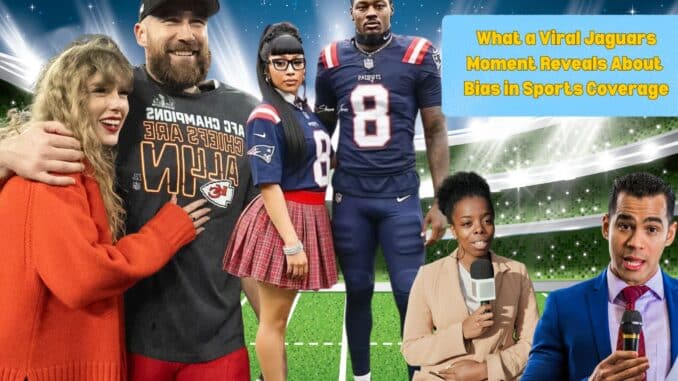
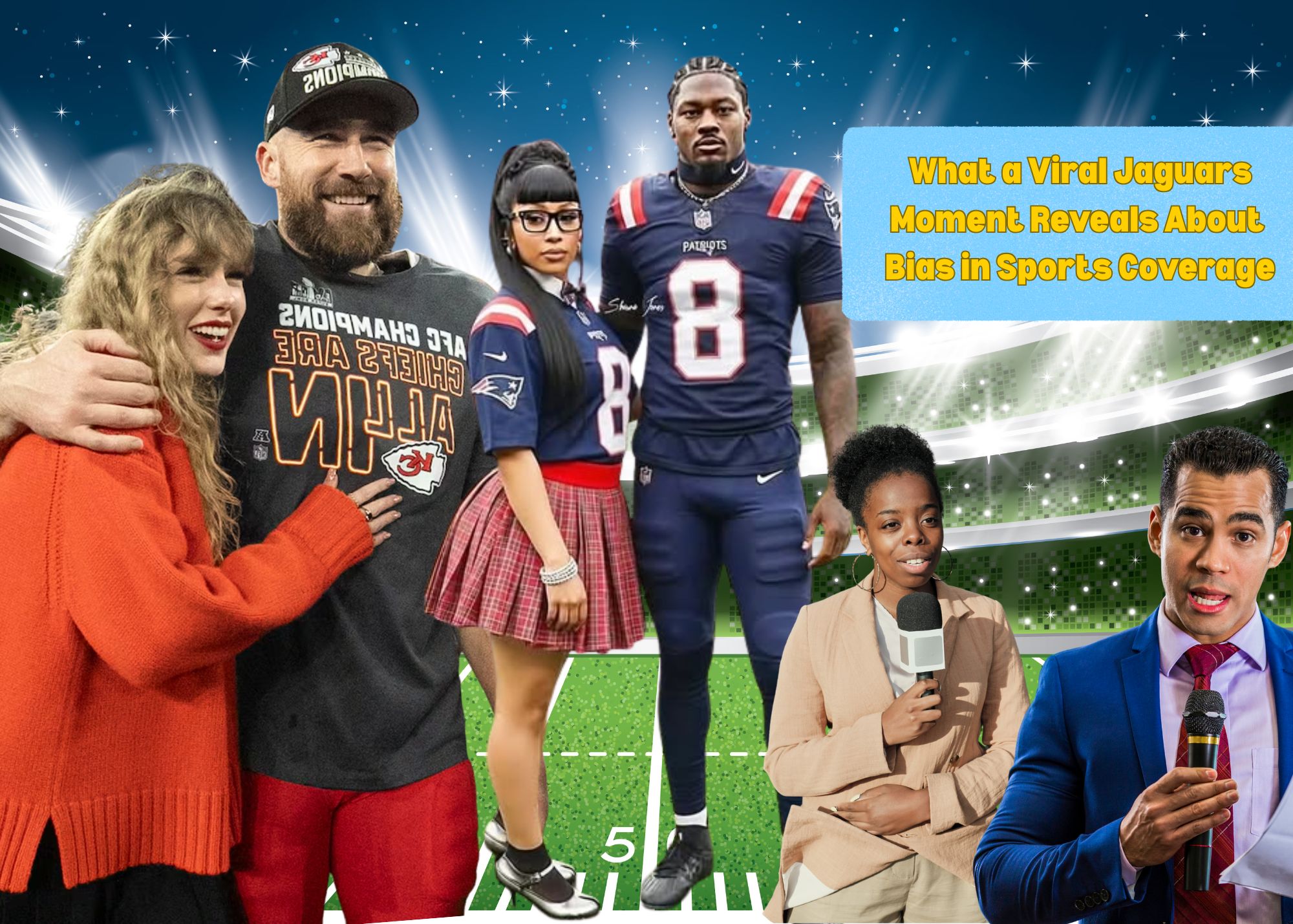
Adding another layer, the NFL has been actively engaging celebrity influence to widen its audience. Media coverage and industry analysis have credited Taylor Swift — whose relationship with Kansas City Chiefs star Travis Kelce has brought unprecedented attention to the league — with helping draw more female fans to football. Reports indicate viewership among women spiked after Swift’s high-profile appearances at games, and her cultural impact has been embraced by marketers and the league alike.
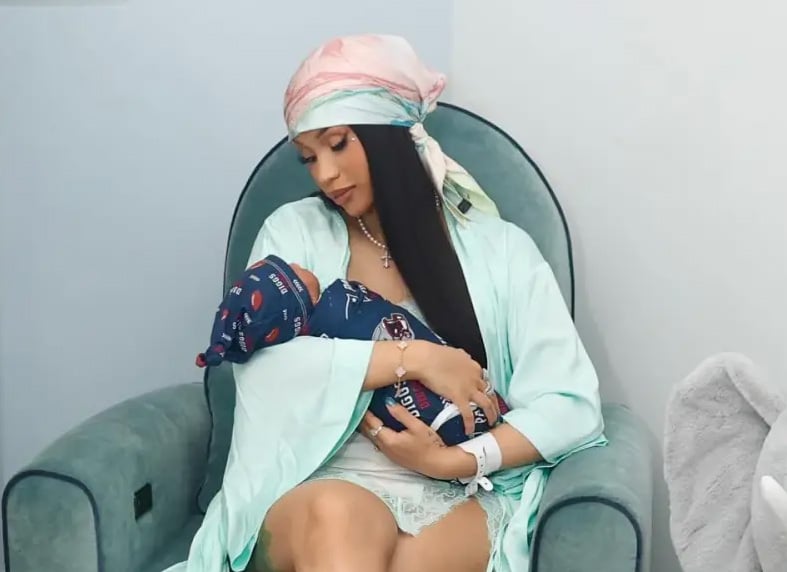
By contrast, Cardi B, who also commands immense global star power and commercial influence, has not been similarly spotlighted or featured in NFL marketing efforts, despite her visible support for Diggs and unmistakable presence in NFL media coverage. While Cardi B has endorsement deals and cultural clout of her own, she has not been highlighted as a league ambassador aimed at engaging diverse audiences in the way Swift’s fandom has been leveraged.
Advocates and cultural commentators say the difference in reactions to the Jones-Turpin exchange and the Diggs-Cardi B question — as well as disparities in how women like Swift and Cardi B are embraced within NFL-sports culture — raise broader questions about how Black women are perceived and valued in both media and sports spheres. Some argue that a Black female journalist’s supportive remark is unfairly scrutinized, while playful personal questions about relationships involving entertainers and athletes are treated as harmless. They also point to a persistent pattern in culture and business where Black women’s influence is minimized, even as their contributions and audiences are significant.
The discussions around these moments are part of a larger national conversation about representation, media standards, cultural influence and racial and gender bias — and how institutions like major sports leagues and media ecosystems reflect and respond to them.
As the league continues to wrestle with issues of diversity and inclusion on and off the field, the contrasting reactions to viral media moments, celebrity visibility and marketing choices underscore broader questions about who is granted grace, visibility and opportunity within the NFL ecosystem. Those questions extend beyond the press room and pop culture into the league’s own leadership ranks, where Black coaches remain significantly underrepresented despite decades of calls for equity. A place where Black athletes form the largest racial group in the NFL, consistently accounting for over two-thirds of players. Together, the episodes have renewed scrutiny of how representation remains unmatched by progress in leadership — and whether the systems shaping professional football still fall short in recognizing, supporting and valuing Black voices and influence at every level of the game.