
 **** Please note the White House sent out a proclamation regarding MLK Day at 8:15 PM
By Sylvia Perry
As the nation marked the 40th federal observance of Martin Luther King Jr. Day on Monday, critics say the Trump administration’s approach to the holiday and wider racial equity initiatives reflects a broader retreat from federal diversity priorities that shaped recent decades.
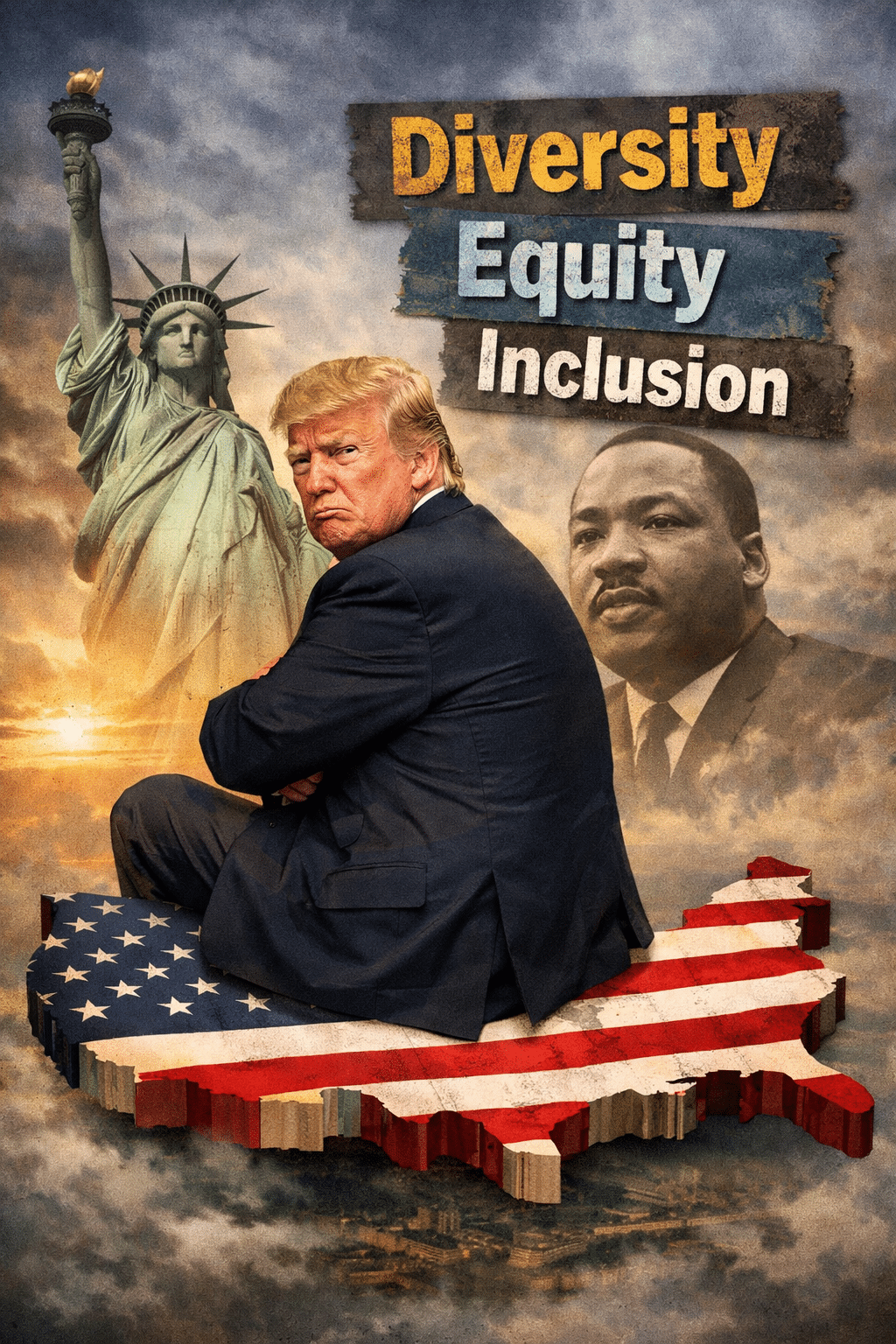
Meanwhile the President put his recognition of the annual celebrated holiday with his other concerns for diversity and inclusion – out of sight and out of mind. Unlike past presidential traditions, including his own first term, Donald Trump has not recognized Jan. 19 2026 as Martin Luther King Jr. Day through any official statement, proclamation or activity. Instead he spent the day at his Mar-a-Lago estate and is scheduled to attend the National College Football Championship in Miami in the evening.
Federal agencies, civil rights leaders and state officials reacted sharply in recent weeks after changes to longstanding observances and policies, citing concerns that the steps diminish the legacy of Dr. King and undercut efforts to address systemic inequality.
Trump has made rolling back diversity, equity and inclusion programs a key priority of his second administration.
The National Park Service removed Martin Luther King Jr. Day and Juneteenth from its list of annual fee-free entry dates beginning in 2026, a shift that replaced the civil-rights–linked holidays with Flag Day, which coincides with Trump’s birthday. The move, part of what Interior officials described as a “modernization” of the parks calendar, drew swift criticism from lawmakers and advocacy groups who called the change symbolic of a broader effort to sideline Black history.
“The removal of these days from free admission status is more than petty politics — it is an attempt to erase the legacy of Dr. King, minimize the story of emancipation, and sideline the communities that have fought for generations,” NAACP President Derrick Johnson said in a statement.
The controversy comes amid a series of high-profile rollbacks of diversity, equity and inclusion (DEI) programs across the federal government. On his first day in office, Trump signed executive orders ending federal DEI offices and rescinding long-standing affirmative action requirements for federal contractors, including the revocation of the policy framework under Executive Order 11246. Supporters of the moves argue that they restore merit-based hiring and eliminate what the administration calls divisive bureaucratic practices, but critics contend the policies weaken proactive efforts to address racial disparities.
At the Defense Intelligence Agency, a memo circulated last year instructed staff to pause observances of Martin Luther King Jr. Day, Black History Month and other cultural and historical events in response to Trump’s ban on federal DEI programs. The directive affected at least 11 annual observances, including LGBTQ Pride Month and Asian American Pacific Islander Heritage Month, though it did not alter the status of federal holidays themselves.
Civil rights advocates said that the suspension of commemorations within federal workplaces and military settings reflects a deeper reorientation of priorities that many see as inconsistent with King’s message of inclusion. “Efforts to erase the Civil Rights Movement’s legacy only reaffirm the urgency of defending equality as more than a slogan,” said Maya Wiley, a civil rights attorney and commentator.
In response, some states sought to preserve access and recognition outside federal jurisdiction. California announced that more than 200 state parks will offer free admission on MLK Day, funded through private donations — a move Governor Gavin Newsom cast as a contrast to federal policy.
The administration’s critics have also pointed to comments by Trump suggesting that civil rights protections resulted in “reverse discrimination,” comments denounced by the NAACP as a distortion of history that undermines support for racial justice.
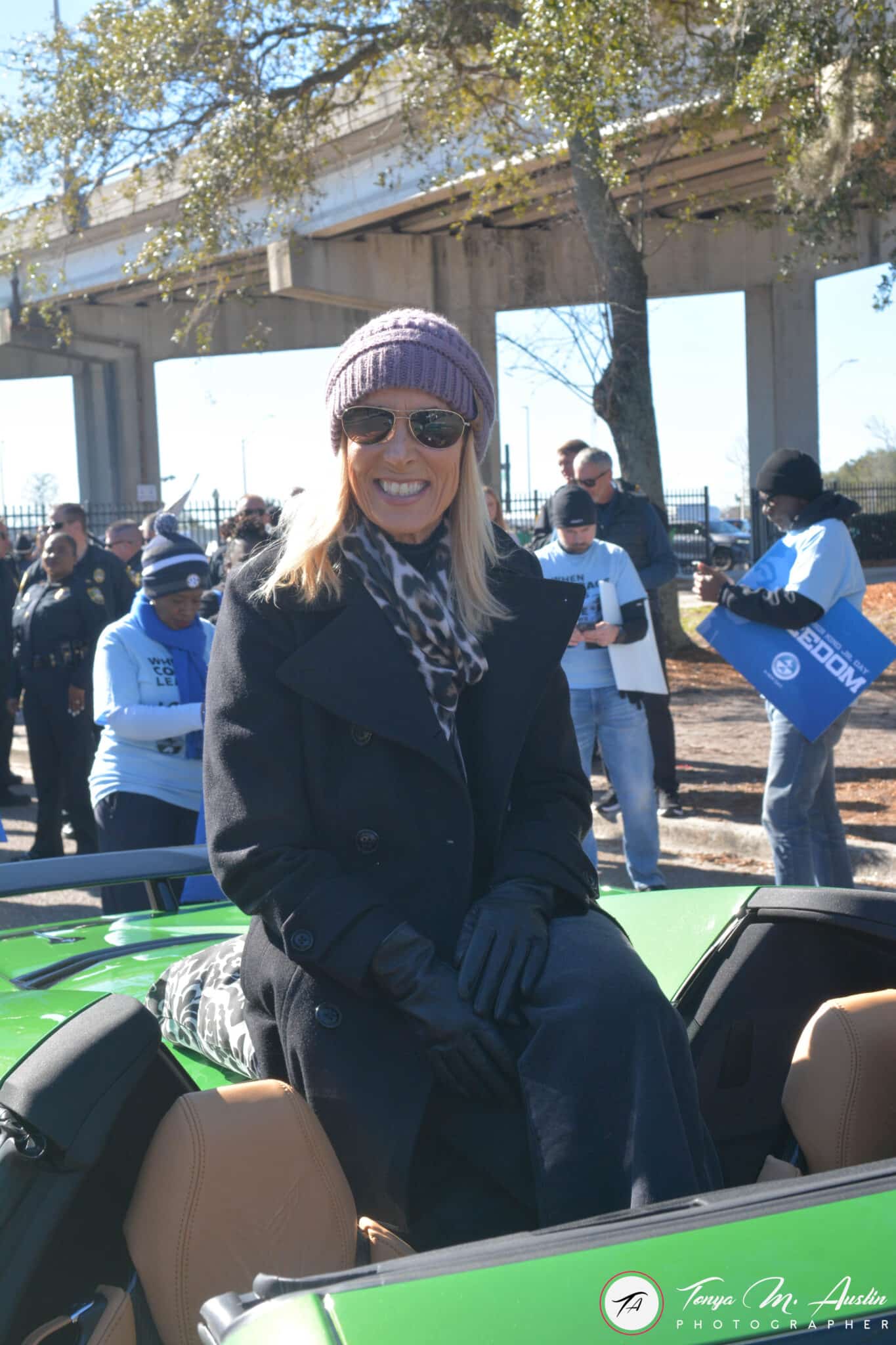
Despite contentious policy debates, communities nationwide hosted parades, panels and service projects Monday to honor King’s legacy, with speakers urging reflection on poverty, racism and violence — core themes of his work — and challenging what they described as efforts to narrow the scope of the holiday.
Supporters of the administration’s actions framed them as part of a broader commitment to American unity and merit-based opportunity. White House officials have said the changes do not alter the federal recognition of Martin Luther King Jr. Day as a holiday and that the administration remains committed to celebrating American history and the contributions of all citizens.
Trump’s only social media post the morning of Jan. 19 called for voter ID requirements, a measure opposed by civil rights groups because historically racial minorities are more likely to lack state-issued identification. Other White House social media accounts posted about ICE and Trump’s accomplishments in his first year in office
As national debates over diversity and historical memory continue, Monday’s events underscored the enduring tension between official policy and grassroots efforts to preserve the civil rights leader’s radical vision for equality and justice.
It I important to remember that Congress created the Martin Luther King Jr. Day in 1983, and only Congress can stop its official observance. President Ronald Reagan signed the King Holiday Bill into law on Nov. 2, 1983, thus designating the third Monday in January a federal holiday in observance of the civil rights leader.
THE LATE ISSUED PROCLAMATION IS BELOW
|
||||
|
