
 Plans to establish a long-awaited Black history museum in Florida are once again on hold after legislation needed to advance the project failed to clear the state House for a second consecutive year, despite repeated approval in the Senate.
A proposal sponsored by Tom Leek, a Republican from Ormond Beach, has now passed the Senate in back-to-back legislative sessions. But the House version, filed by Kiyan Michael, a Jacksonville Republican, did not receive final approval in either year, effectively stalling the effort.
Under Florida law, identical or similar bills must pass both chambers before heading to the governor’s desk. Without House approval, the legislation has been unable to move forward, leaving the project in limbo.Long journey, contested location.
The proposed museum, formally known as the Florida Museum of Black History, has been years in the making, with lawmakers and community leaders framing it as a long-overdue institution to preserve and showcase the state’s African American heritage.A central point of contention has been the museum’s location. St. Augustine — widely recognized as the nation’s oldest city and a site deeply tied to both slavery and early Black history — emerged as the leading contender. Supporters argue the city’s historical significance makes it a natural home for the museum. However, competing interests and regional considerations have fueled debate, slowing consensus among lawmakers.
While the Senate-backed measure has consistently advanced, the lack of alignment in the House has underscored ongoing divisions about how and where the project should take shape.
The holdup in the Florida House appears to be less about opposition to the museum itself and more about a combination of procedural bottlenecks, unresolved structural issues, and lingering disagreements over how the project should be formalized and governed.
Despite the legislative setbacks, Republican Gov. Ron DeSantis has publicly voiced support for the museum.Speaking last month during the unveiling of a statue of abolitionist
Frederick Douglass in St. Augustine, DeSantis said the project would move forward “one way or another,” signaling an intent to see the museum built regardless of legislative hurdles.
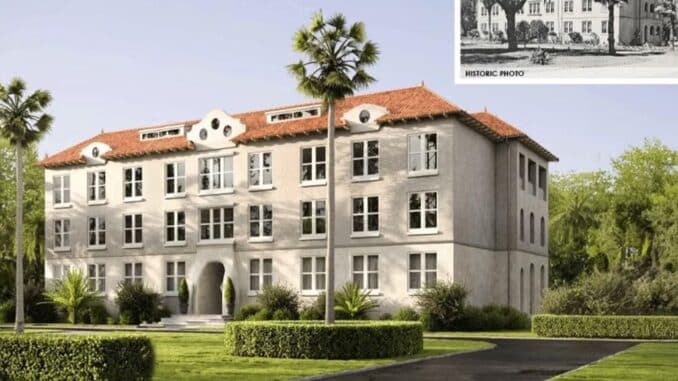
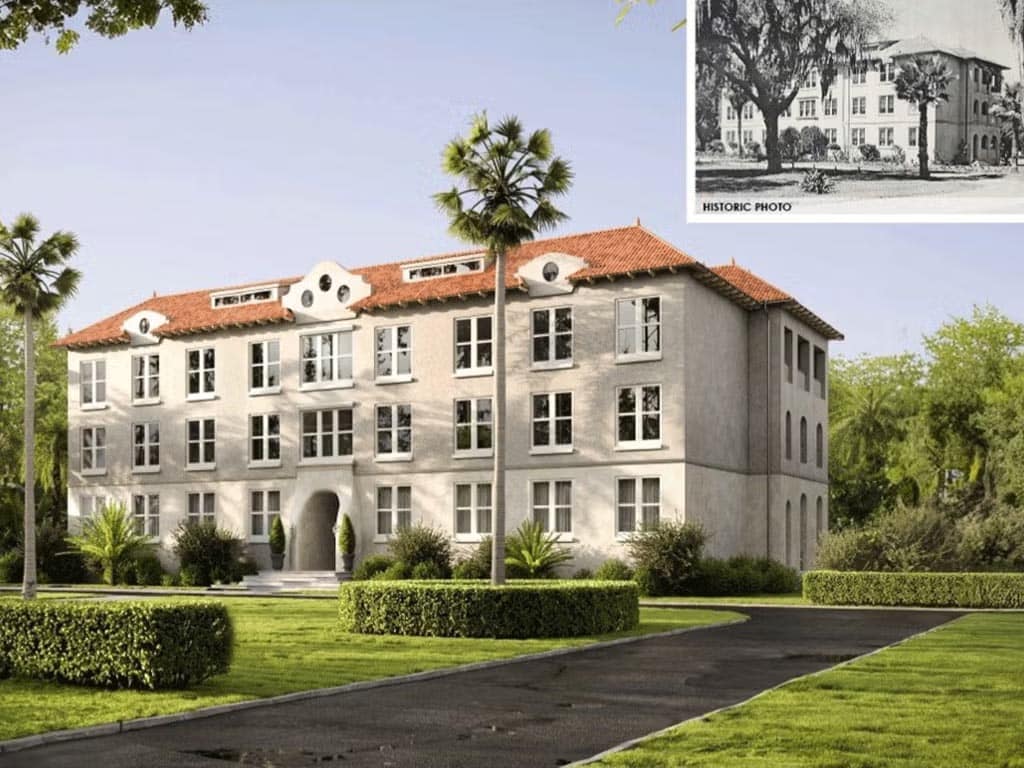
The anticipated museum has already cleared several hurdles. St. Johns County signed an agreement last year with Florida Memorial University to use the land that once housed its campus last year’s legislative session netted $1 million in funding for St. Johns County to work on planning and design for the museum. However its anticipated that a million $3 million is needed.
Still, without statutory approval to finalize key components — including governance, funding mechanisms and site selection — the project remains largely conceptual.
With the House bill failing again, the timeline for the museum’s development is unclear. Lawmakers could revisit the proposal in the next legislative session, but any further delays risk pushing the project back several more years. Advocates warn that continued inaction could stall momentum for a museum many see as critical to telling a fuller, more accurate story of Florida’s past. For now, the effort remains paused — caught between political support at the top and legislative gridlock within the Capitol.