
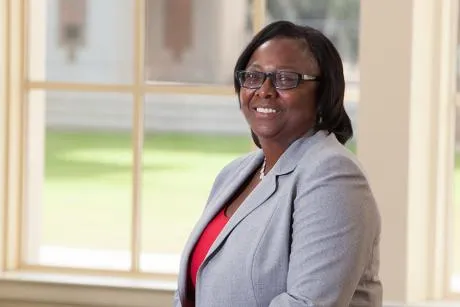
SOUTH FLORIDA TIMES — Dr. Alma Littles, Dean of the Florida State University College of Medicine, has been named the 150th president of the Florida Medical Association. This appointment marks a significant milestone as she is the first medical school dean to hold this position in the FMA’s 151-year history.
MIAMI- Growing up in rural Quincy, Florida, Dr. Alma Littles watched so many of her family members succumb to deadly diseases, including cancer and heart disease.
Her father died of a heart attack when she was 14 years old, and she also lost siblings, nieces, and nephews to illnesses, which left her in a tailspin of despair.
It was difficult to cope with the deaths of her family members but also became the impetus for her to pursue a career in medicine and leadership.
In addition, inspired by her second-grade teacher, Dr. Littles is a prominent family medicine physician and reached the pinnacle of her career when she was chosen as the Dean of the Florida State University College of Medicine.
With a medical career spanning nearly 40 years, Dr. Little was chosen to take on another significant role.
Dr. Littles was named the 150th president of the Florida Medical Association, leading an organization with more than 25,000 doctors, including osteopaths, orthopedic surgeons, oncologists, obstetricians/gynecologists, and cardiologists.
Her appointment marks a historic moment as she is the first medical school dean to hold this position.
She was installed as the new president on August 1 during the association’s annual conference in Orlando.
As president, Littles will chair the FMA Board of Governors, which is responsible for establishing the organization’s policies, and she will serve as its chief ambassador.
Her appointment is seen as an opportunity to serve not only physicians but also patients and communities relying on healthcare services.
Founded in 1874, FMA represents over 25,000 physicians on various legislative, economic and ethical issues.
In addition, FMA Alliance, established in 1926, supports Florida patients and physicians, engaging in health-related advocacy.
Both organizations play significant roles in shaping the future of medicine in Florida and provide resources and support to their members.
“This advocacy will include supporting physicians, residents and students as we all navigate the very necessary implementation of AI and other emerging technologies, while maintaining the human connection at the heart of the patient-physician relationship,” Littles said.
In addition, inspired by her second-grade teacher, Dr. Littles is a prominent family medicine physician and reached the pinnacle of her career when she was chosen as the Dean of the Florida State University College of Medicine.
With a medical career spanning nearly 40 years, Dr. Little was chosen to take on another significant role.
Dr. Littles was named the 150th president of the Florida Medical Association, leading an organization with more than 25,000 doctors, including osteopaths, orthopedic surgeons, oncologists, obstetricians/gynecologists, and cardiologists.
Her appointment marks a historic moment as she is the first medical school dean to hold this position.
She was installed as the new president on August 1 during the association’s annual conference in Orlando.
As president, Littles will chair the FMA Board of Governors, which is responsible for establishing the organization’s policies, and she will serve as its chief ambassador.
Her appointment is seen as an opportunity to serve not only physicians but also patients and communities relying on healthcare services.