
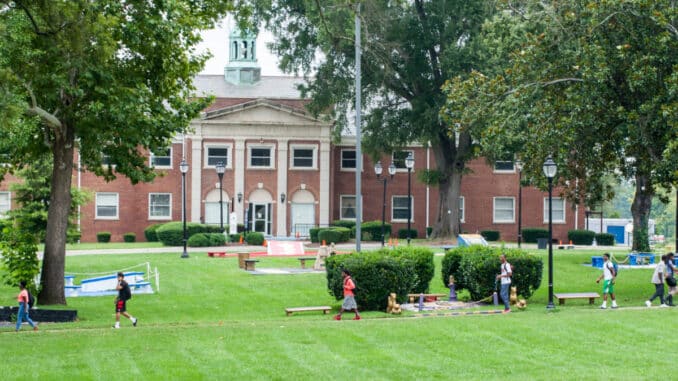
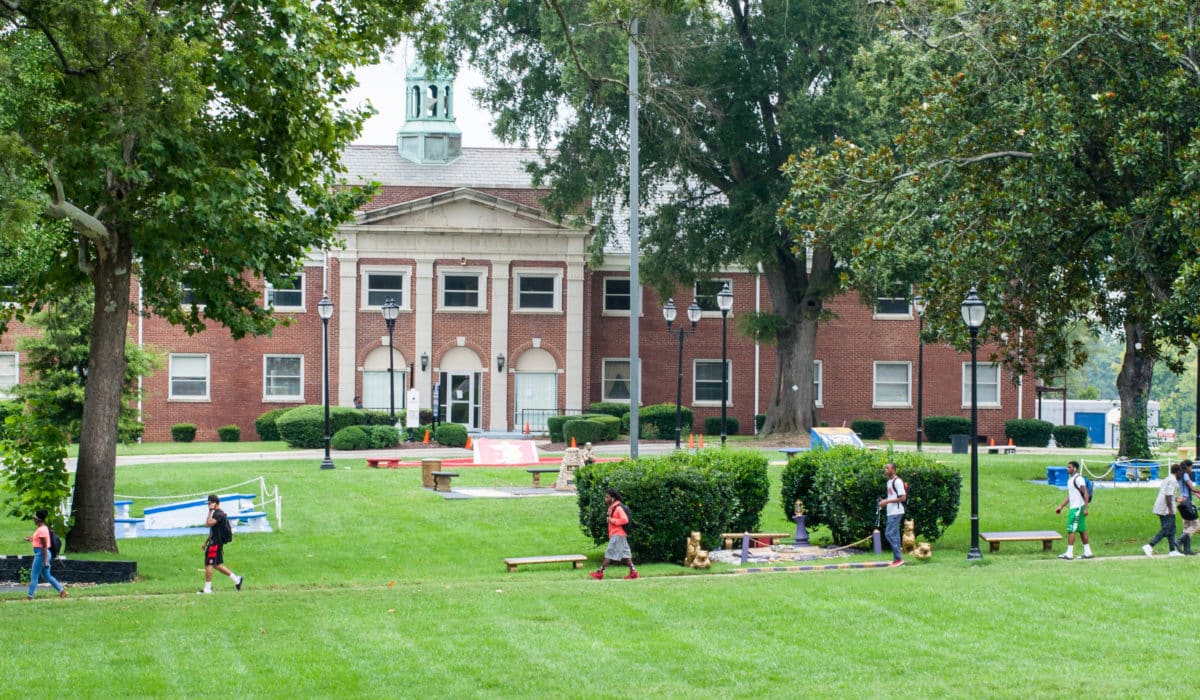
One of the nation’s oldest historically Black colleges and universities, 159-year-old Saint Augustine’s University, has filed for Chapter 11 bankruptcy. Founded in 1867 by Episcopal clergy to educate formerly enslaved Black Americans, has long served first-generation and underserved students. University officials say the bankruptcy filing — made in late April — is intended to restructure between $50 million and $100 million in debt while allowing the school to continue operating.
University officials say the bankruptcy filing — made in late April — is intended to restructure between $50 million and $100 million in debt while allowing the school to continue operating.
Enrollment has sharply declined in recent years, mirroring the school’s financial instability. Once enrolling nearly 2,000 students in the early 1990s, the university reported just about 200 students in 2024, with figures later dropping to roughly 50 amid accreditation turmoil. The crisis deepened after its accreditor revoked recognition in 2025 over financial and governance concerns, jeopardizing access to federal student aid — a critical revenue stream for many HBCUs.
As part of its restructuring, the university plans to scale back traditional degree offerings and shift toward certificate and workforce programs while pursuing a path to regain accreditation.
A legacy institution under strain
Saint Augustine’s is among the oldest HBCUs in the United States, part of a network of schools established after the Civil War to expand educational access for Black Americans. Its mission has historically centered on students who might otherwise lack access to higher education.
But its challenges — declining enrollment, mounting debt and governance issues — reflect broader vulnerabilities across the HBCU sector.
While HBCUs remain vital institutions, they have faced long-term funding disparities compared to predominantly white institutions, contributing to infrastructure gaps and financial instability.
Nationally, HBCU enrollment has grown modestly over decades but at a far slower pace than overall U.S. higher education, limiting revenue growth.
Additionally, HBCUs now produce a smaller share of degrees awarded to Black students than in past decades, reflecting increased competition and shifting enrollment patterns.
Experts say these trends — combined with reliance on tuition and federal aid — leave smaller private HBCUs particularly vulnerable to financial shocks.
Despite the bankruptcy filing, Saint Augustine’s officials say the school will remain open during restructuring, though its long-term future remains uncertain.
The case highlights both the historic importance of HBCUs and the ongoing financial challenges many face in sustaining their missions in a changing higher education landscape.