
By Gail Carter-Cade | These lines from my poem Why I Don’t Try, featured in my book Uplifting The Pain of Behavioral and Learning Styles Through Poetry Now, reflect the truth many children carry silently. They are not words of defiance. They are shaped by repeated moments of misunderstanding, especially in classrooms where learning differences are mistaken for lack of effort.
Why I Don’t Try
“I speak differently.
I hear differently.
I think differently.
I write differently.
I see differently.
I behave differently.
So, I don’t try…”
 The poem was inspired by moments I witnessed with students whose differences were misunderstood as problems. Too often, children who learn or process information differently are corrected before they are understood. Over time, that disconnect can turn effort into exhaustion and confidence into silence.
Behavior is rarely the root issue. It is often the message. A student who disengages may be overwhelmed by how information is presented. A student who acts out may be responding to feelings of frustration, anxiety, or repeated experiences of failure. When learning differences go unrecognized, academic challenges can quietly evolve into emotional pain. A cry for help may be interpreted as a sign of weakness and denied. Ultimately, teaching students to keep their emotions internally causing them to act out as a diversion.
In classrooms and homes, the instinct is often to focus on what we see—missed assignments, disruptive behavior, or lack of participation. But each “differently” in the poem represents a gap between how a child experiences the world and how the world expects them to respond. As an educator and Parent Liaison, I have seen how transformative it is when adults shift perspective. When we stop asking, “Why won’t this child try?” and instead ask, “What is making trying feel impossible?” or “What strategies can be given to support them academically and behaviorally?”, we create space for understanding and shift how students view themselves as learners and as individuals.
Learning is not one-size-fits-all, and neither is expression. When students feel seen and supported, they are more likely to engage, take risks, and believe in their ability to succeed. Understanding the struggle does not lower expectations—it removes barriers.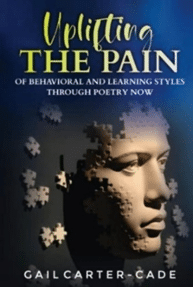
This message extends beyond schools. Students are shaped by their communities, by the empathy we show, and by our willingness to listen without judgment. When parents, educators, and community members work together to uncover, understand, and uplift the pain, we support not only academic growth but emotional resilience.
Why I Don’t Try is not about giving up. It is a reflection of what happens when understanding is absent—and a reminder of what is possible when someone finally listens.
For additional resources, visit https://understandmychild.com
About the Author:
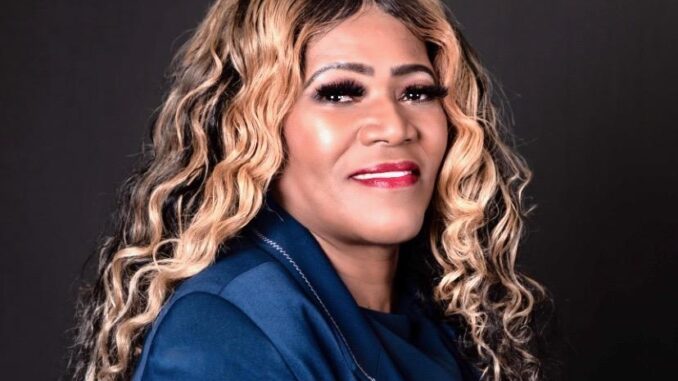
Gail Carter-Cade is an author, entrepreneur, and Parent Liaison committed to connecting identity, behavior, and academic success. She has worked in schools for over 15 years, supporting students with varying exceptionalities, ESL learners, learning disabilities, and emotional and behavioral challenges. She is the author of Uplifting The Pain of Behavioral and Learning Styles Through Poetry, a collection of over 200 poems designed to help uncover the root of behavior, understand internal struggles, and uplift emotional pain from the heart. Gail uses poetry as a reflective and practical tool to strengthen confidence, self-awareness, and classroom engagement.